Clean Cleaning Products vs. Conventional Cleaners: Which Are Worth Switching To?
Clean Cleaning Products vs. Conventional Cleaners: Which Are Worth Switching To?
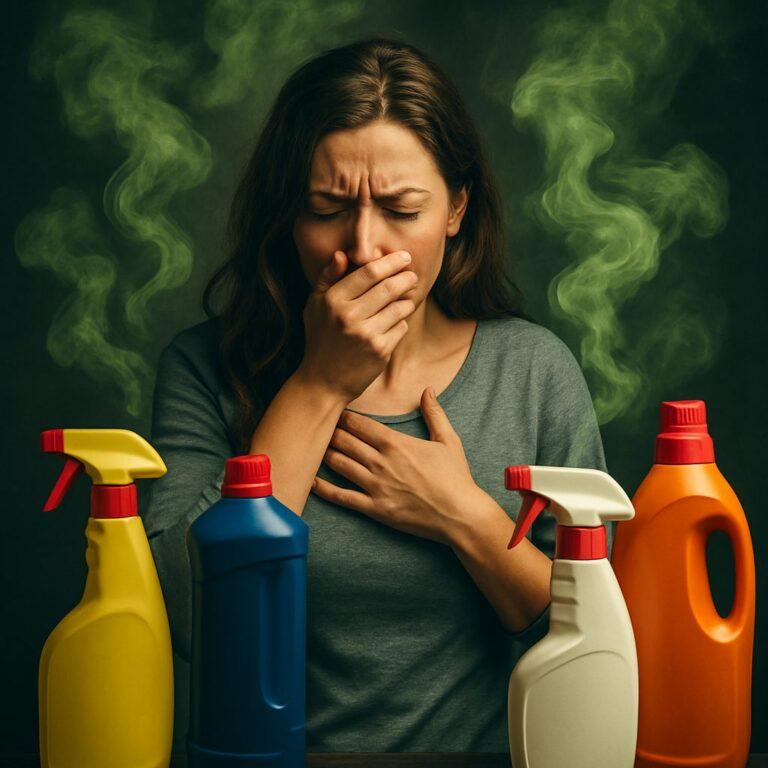
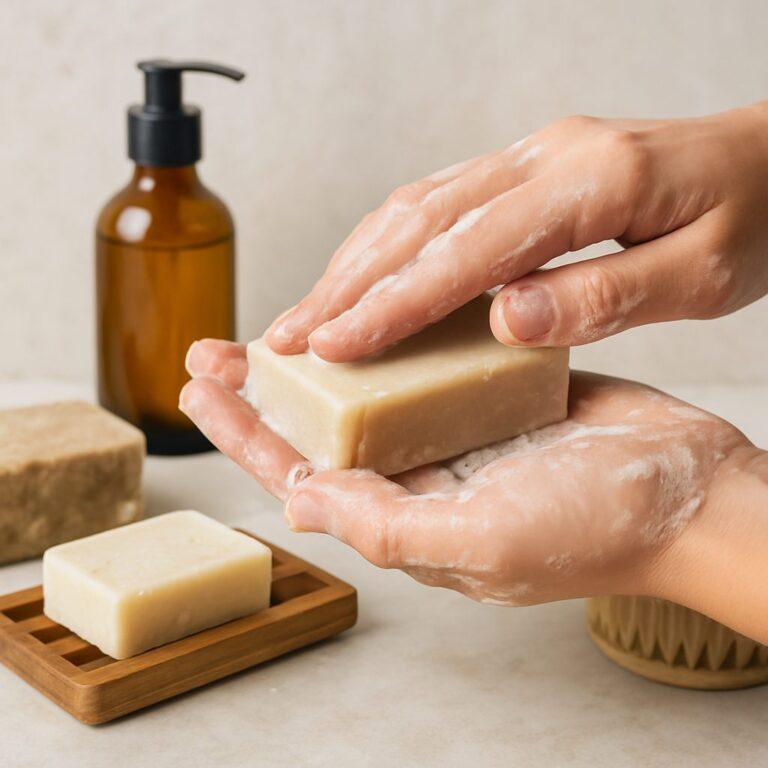
Switching to clean cleaning products can feel risky—will they actually cut grease as well as conventional cleaners, and is the higher upfront cost worth it? This Canadian-focused comparison weighs health, environmental impact, performance, and total cost, with real-world tasks and Bri's Bazaar's Made-in-Canada options to ground the advice. You'll learn which certifications matter, how to read labels, and a practical four-week switch plan you can start today.
Understanding Clean Cleaning Products in the Canadian Context
In Canada, clean cleaning products are defined more by credible verification and transparent ingredient lists than by generic green logos. This distinction matters because many labels can be misleading or host vague claims that do not reflect actual safety or performance. Look for independent validation and clear, verifiable disclosures on the label.
Bri's Bazaar frames clean cleaning around verifiable Canadian origin and formulas engineered to minimize hazardous substances while preserving cleaning power. The Made-in-Canada emphasis helps reduce packaging and transport impact and aligns with reader values around local sourcing and accountability. That standpoint guides how you compare products and assess value.
- Credible certifications to trust: EPA Safer Choice and Green Seal provide third-party validation that a product reduces hazardous ingredients while maintaining performance. See the labels and confirm the cert body on the packaging.
- Label cues that matter: look for indications of biodegradability, plant-based formulation, and fragrance options or explicit fragrance-free statements. Avoid vague terms like natural or eco-friendly unless they are tied to a cert or ingredient list.
- Reading ingredient lists: prefer INCI-style disclosures and plain language explanations for key components. Be wary of long chemical strings without context and watch for potential irritants flagged in typical household use, such as strong solvents or high concentrations of irritants.
- Made-in-Canada signal: check for origin statements, facility locations, and packaging that signals local production. A product that prints Made in Canada or lists a Canadian facility may align better with Bri's Bazaar sourcing goals and local supply chains.
Practical approach to reading labels is essential. Start by locating the certification marks, then review the ingredient panel for plant-based components and any known irritants. If fragrance is listed, look for details on whether it is a defined ingredient or a generic blend, and prefer products with transparent disclosures rather than opaque terms.
Label literacy and practical use cases
Concrete example: a Bri's Bazaar shopper replaces a conventional window cleaner that relies on ammonia with a Canadian-made plant-based glass cleaner. After a week of use, they notice similar shine with no strong fumes and a comparable price once the product is used as a concentrate with proper dilution. This shows that clean cleaning products can meet routine performance without compromising air quality.
Takeaway: prioritize credible certifications and Made-in-Canada origin when reading labels, then use Bri's Bazaar as your navigational hub to discover options that meet both performance needs and local sourcing values.
Performance Benchmark: Do Clean Cleaners Do the Job?
Performance isn't theoretical in this space. In practice, you want cleaners that remove grease, soap scum, and everyday grime as reliably as the conventional options you know—without unnecessary toxins. Credible labels help you filter options, but the real test is how the product performs on real tasks and how you use it. In Canada, third-party certifications such as EPA Safer Choice EPA Safer Choice or Green Seal Green Seal guide assurance, but you still need to judge based on your actual tasks, like how well it handles kitchen grease, bathroom soap scum, or dusty surfaces.
Concrete example: cleaning a stainless stovetop with a plant-based degreaser from a Canadian brand sold on Bri's Bazaar. A 60-second dwell with hot water and a microfiber cloth removed cooked-on grease and left a comparatively streak-free finish; a traditional solvent-based cleaner finished faster but produced stronger fumes and required more rinsing. This demonstrates that performance is task-specific and hinges on proper usage, not just the label.
- Concrete guidance: Match the task to the product category (general purpose vs heavy-duty degreaser) to avoid overkill or underperformance.
- Technique matters: Pre-wet surfaces, apply evenly, and respect dwell time for plant-based formulas.
- Dilution and yield: Use the recommended dilution to maximize effectiveness without wasting concentrate.
- Surface compatibility: Test on a small area first, especially on stone, wood, or lacquered finishes.
Not all green labels equal; don't assume a label means equal safety or performance across tasks. Verify the cert body on packaging, read ingredient lists, and check whether the formulation is designed for your surface. In practice, locally made products often deliver competitive power with less packaging and a lower transport footprint, which Bri's Bazaar highlights as part of our Canada-first approach.
Takeaway: Build a minimal, task-aligned set of credible clean cleaning products and practice proper usage; you can switch gradually, using Bri's Bazaar to choose Made-in-Canada options.
Cost and Value: Is Switching Worth It?
Upfront price is only half the story. For most households, the real driver is cost-per-use, how much each cleaning moment actually costs, and the potential health and waste savings that come with switching.
The cost-value framework is simple: Cost per use = total price divided by the estimated number of uses, adjusted for dilution and whether you rely on ready-to-use cleaners or concentrates. In practice, concentrates and refills win on long-run value, but only if you can use the proper dilution and maintain a steady supply.
Concrete numbers make the logic stick. A conventional all-purpose cleaner sold in a 1 L bottle might run about $5.50 and yield around 40 uses at standard dilution in a home kitchen and bath routine. That puts the typical cost per use near $0.14. For credibility, look for third-party certifications on the label, such as EPA Safer Choice or Green Seal. A clean cleaning product built around a concentrate—roughly 750 ml at about $9—often yields 200 uses when diluted correctly (for example, 1 part concentrate to 20 parts water). The per-use cost lands around $0.045. If you add refills, the difference compounds over months.
Canada has a clear advantage for buyers who want transparency and local sourcing. Bri's Bazaar highlights Made-in-Canada options, and many Canadian brands emphasize straightforward ingredient profiles. Shipping can tilt the math, but when you buy multiple items you improve the per-bottle cost, and bundles or loyalty discounts further shrink the effective price per use. See the Made-in-Canada guide for filters and options.
- Opt for concentrates and refills over single-use bottles to maximize long-term value.
- Always check the dilution ratios and estimated yield on the label to do the math accurately.
- Look for bundles or loyalty options from Bri's Bazaar to lower per-use cost in practice.
- Include packaging waste and transportation in your value assessment, not just sticker price.
Key cost insight: Concentrates and refills dramatically shift the math in favor of long-term value; shipping and packaging waste are real factors for Canadians.
Practical switch approach: run a four-week pilot in a single area, track uses and costs, compare to your current cleaners, and decide whether to expand. Use the cost-per-use framework to guide each new category you swap.
Takeaway: use cost-per-use and a short, Canada-centered pilot to decide whether to switch. Bri's Bazaar helps you discover credible, Made-in-Canada options that align with budget and values.
Health, Environment, and Certification Credibility
In practice, credible health and environmental claims come from independent verification, not marketing. VOC levels and irritants vary, and a green label by itself rarely tells the whole story. Look for third-party certifications that test ingredients and performance, and consider how packaging influences waste.
For Canadians, local sourcing matters, but certification credibility remains universal. Bodies like EPA Safer Choice and Green Seal set standards that distinguish claims from hype, while guidance from CCOHS clarifies typical exposure considerations. Bri's Bazaar foregrounds transparency and Made-in-Canada options to align with regional values, helping readers compare options within a Canadian context.
Certification credibility criteria
When you read a label, map it to concrete criteria: cert body legitimacy, current scope, renewal cadence, ingredient disclosure, and independent performance testing.
- Cert body legitimacy: ensure the seal is from a recognized program with active oversight.
- Current scope and renewals: verify what the label covers and when it last updated.
- Ingredient transparency: look for an actual ingredient list rather than vague terms like natural.
- Performance verification: seek independent testing data or public performance information backing claims.
Packaging and end-of-life considerations
Packaging decisions matter as much as the formula. Favor recycled content, minimal plastic, and refill options. Be wary of vague compostability claims that don’t translate to real-world waste management. A practical approach is prioritizing products with refillable bottles and concentrated formulas to cut plastic and transport emissions.
Real-world example: a Green Seal or Safer Choice certified all-purpose cleaner with a recyclable bottle and a refill option demonstrates credibility in action, especially when offered within Bri's Bazaar Made-in-Canada range and clearly labeled origins.
In the Canadian retail context, this alignment means you can trust the label and the packaging while comparing Made-in-Canada options side by side, which Bri's Bazaar makes easier through transparent origin statements and clear certification cues.
Takeaway: prioritize products with credible certifications, transparent ingredient lists, and packaging designed for recycling or refills; this trio delivers health and environmental credibility while keeping options within Bri's Bazaar's Made-in-Canada focus.
Spotlight on Bri's Bazaar: Made-in-Canada Cleaning Options
Bri's Bazaar makes Made-in-Canada cleaning options easy to surface and compare, not as marketing fluff but as a practical reading of origin, certifications, and performance.
The site curates a steady slate of products from Canadian brands and provides clear signals about origin and credentials. You can filter by Made-in-Canada and then read product pages for origin statements, packaging details, and third-party certifications that matter for clean cleaning products. For a quick guide, see the Made-in-Canada products guide.
- Filter for Made-in-Canada: use Bri's Bazaar filters to surface items with explicit Canadian origin statements.
- Inspect certifications and ingredients: look for recognized third-party seals and read the ingredient lists to avoid hidden irritants.
- Assess packaging and waste: prefer products with recycled materials and refill or concentrate options when available.
- Compare value: note price, yield, and the frequency of restock to gauge long-term cost.
Example in practice: a Canadian family swaps to a Bri's Bazaar Made-in-Canada all-purpose cleaner. They test it on greasy stovetop grime and splash a small amount on a stainless steel sink. The cleaner cuts grease with one spray, leaves a streak-free finish, and uses plant-based surfactants with recycled packaging—no noticeable fragrance, which helps with sensitivities.
To start, use Bri's Bazaar's Made-in-Canada filter to surface options that fit your regular tasks—then pick two products to test for a four-week switch. This keeps your routine intact while validating real-world performance.
Takeaway: Use Bri's Bazaar's filter to surface Made-in-Canada options, test two products for four weeks, and document results to guide ongoing switching.
Switching Plan: A Practical 4-Week Path to Greener Cleaning
A four-week ramp is the most reliable way to switch without disrupting daily life. You’ll audit, test, and lock in a routine that uses clean cleaning products with real-world performance in Canadian homes.
Start by identifying the two or three high-use targets in your current kit — usually an all-purpose cleaner, a bathroom cleaner, and a dish soap. The goal is to replace them with credible, Made-in-Canada options that carry trusted certifications and work with your existing surfaces. In Bri's Bazaar, you can filter for Made-in-Canada options and compare certifications side by side.
Week-by-Week Switching Framework
- Week 1 — Audit your cleaners, map out high-use targets, and pick one clean option to trial. Capture baseline costs, dilution needs, and any surface sensitivity concerns.
- Week 2 — Replace one product with a credible clean cleaning product from Bri's Bazaar. Use it for all-purpose tasks and surface areas; track performance on common tasks like grease or soap scum.
- Week 3 — Evaluate results, adjust dilution ratios if needed, and extend the switch to a second product if performance holds. Note any odor or residue preferences and whether packaging is convenient for your space.
- Week 4 — Finalize your routine, set up recurring orders, and establish a simple notes system to compare year-over-year costs and waste reduction.
Concrete example: In a two-bedroom condo, replace the Week 1 all-purpose cleaner with a plant-based, biodegradable option from Bri's Bazaar in Week 2. After two weeks of use, you notice the cleaner handles everyday messes but requires a longer dwell time on stubborn kitchen grease; you adjust by letting it sit for a minute before wiping. This small adjustment preserves cleaning efficacy while cutting reliance on traditional harsh cleaners.
A practical constraint to plan for is upfront cost and supply chain timing. Many clean cleaning products cost a bit more per bottle, but concentrates and refill pouches reduce monthly spend and packaging waste. If shipping times are long, stagger orders to avoid gaps, especially for staples like all-purpose cleaners and dish detergents. Note: you can explore Made-in-Canada options on Bri's Bazaar to minimize lead times and support local brands.
Tip: Keep a simple one-page scorecard during Weeks 2–3 that tracks cost per use, surface compatibility, and user satisfaction. A small data habit beats gut feel when you scale up.
article blockquote,article ol li,article p,article ul li{font-family:inherit;font-size:18px}.featuredimage{height:300px;overflow:hidden;position:relative;margin-top:20px;margin-bottom:20px}.featuredimage img{width:100%;height:100%;top:50%;left:50%;object-fit:cover;position:absolute;transform:translate(-50%,-50%)}article p{line-height:30px}article ol li,article ul li{line-height:30px;margin-bottom:15px}article blockquote{border-left:4px solid #ccc;font-style:italic;background-color:#f8f9fa;padding:20px;border-radius:5px;margin:15px 10px}article div.info-box{background-color:#fff9db;padding:20px;border-radius:5px;margin:15px 0;border:1px solid #efe496}article table{margin:15px 0;padding:10px;border:1px solid #ccc}article div.info-box p{margin-bottom:0;margin-top:0}article span.highlight{background-color:#f8f9fb;padding:2px 5px;border-radius:5px}article div.info-box span.highlight{background:0 0!important;padding:0;border-radius:0}article img{max-width:100%;margin:20px 0}
Further reading