Does Sterling Silver Tarnish? What Every Jewelry Lover Needs to Know
Does Sterling Silver Tarnish? What Every Jewelry Lover Needs to Know
Does sterling silver tarnish? Yes—it's a natural consequence of silver's copper alloy reacting with sulfur in the air. This guide unpacks what actually happens, how humidity and everyday exposures speed up tarnish, and practical, Canadian-friendly steps to prevent and safely remove it. You'll come away with a clear care routine for your sterling silver jewelry, plus how Bri's Bazaar's Made-in-Canada pieces respond to care and what finish options hold up best.
Why Sterling Silver Tarnishes and What Actually Happens
Yes, does sterling silver tarnish? It does, and that's not a defect—it's expected. Tarnish is a thin, dull film of silver sulfide that forms when silver meets sulfur-containing compounds in the air. You can watch it accumulate over weeks and months, not minutes. It is surface-level and reversible, not a structural failure of the metal.
The formation hinges on the alloy itself. Sterling silver is 92.5 percent silver with 7.5 percent copper, and the copper helps speed the reaction with sulfur compounds. Practically, this means your sterling silver jewelry will tarnish over time even with decent storage, just more slowly than base metals.
- Copper and alloy composition: the 7.5% copper slows shine and accelerates tarnish compared to pure silver, especially with sulfur exposure; this is why finishes matter on sterling pieces.
- Humidity and moisture: higher humidity or sweating increases the rate of film formation and dulls the surface faster.
- Air quality and sulfur exposure: outdoor pollution, kitchen fumes, cosmetics, and cleaners contribute sulfur compounds that drive tarnish.
- Wear vs storage dynamics: regular, gentle wear can help keep surfaces polished and slow buildup; long-term storage without airflow invites more noticeable dulling.
In a typical Canadian home, environmental factors matter. Seasonal humidity, steamy bathrooms, and chlorine cleaners all push tarnish along. The moment a piece moves from a dry drawer to a humid space or is exposed to sulfur-containing cosmetics, you gain a few more days of progression. This interplay between environment and material is why care routines need to be practical and repeatable.
Concrete example: A Canadian shopper stores a silver necklace in a humid bathroom while applying cosmetics; after two weeks, a faint film appears. A quick wipe with a silver polishing cloth restores shine, and with proper storage the tarnish remains at bay.
Takeaway: Plan a simple care cadence—store properly, clean gently, and treat tarnish as a routine maintenance step rather than a failure of the piece.
What Causes Tarnish on Sterling Silver Jewelry
Tarnish on sterling silver isn't a flaw; it's the predictable surface reaction that happens because the alloy contains copper. When sulfur compounds in the air reach the metal, a thin layer of silver sulfide forms and dulls the surface. This is not a sign of poor quality—it's the chemistry of 92.5% silver jewelry at work.
In practice, the culprits are everywhere. The air in many homes carries trace sulfur compounds; cosmetics and skincare products bring sulfur and oils; sweat and skin oils add local moisture; humidity and damp bathrooms accelerate the reaction; and chlorinated water from pools or spas can boost tarnish on contact. These factors accumulate over days or weeks, especially in pieces worn close to the skin.
- Culprit: Sulfur compounds in air and cleaners that off-gas near your jewelry, especially in urban environments, can settle on metal surfaces and initiate tarnish.
- Cosmetics and lotions: Fragrances and sulfur-containing ingredients linger on skin and fabrics, transferring to jewelry during wear or when stored near cosmetics.
- Sweat and oils: The combination of sweat, skin fats, and heat creates a damp microclimate around clasps and settings, accelerating surface reaction.
- Moisture and humidity: Higher ambient moisture during summer or in steamy bathrooms speeds tarnish formation, even with clean hands.
- Chlorine and pool chemicals: Contact with saltwater or chlorinated water deposits residues that boost tarnish on metal.
- Rubber and packaging: Rubberized grips, seals, or packaging materials release accelerants over time, especially when stored long-term with jewelry.
- Storage materials: Off-gassing from certain fabrics or boxes can contribute to a dulling film if pieces are kept in poorly ventilated drawers.
The copper content matters: sterling is copper-rich, and that copper turns the surface chemically active. Pieces with higher copper content or those stored in damp air will tarnish sooner than lightly finished designs or pieces kept in low-humidity environments.
Scenario: a Canadian-made sterling bracelet worn daily through a humid summer and rinsed with scented soap after workouts. Tarnish appears near the edges within days, then wipes away with a soft cloth, only to return after a shower. Storing it in Bri's Bazaar anti-tarnish pouch with a silica gel pack markedly slows the cycle.
Trade-off: you can minimize tarnish by wearing pieces to maintain surface polish and by removing products before storage, but you cannot eliminate exposure to sulfur, moisture, or chlorine. The practical approach is a simple routine: light cleaning after wear, proper storage, and periodic checks for dullness or uneven staining.
Takeaway: identify your primary culprits—sulfur exposure, moisture, and contact with cosmetics or chlorine—and tailor storage and cleaning routines to your Canadian lifestyle to keep sterling pieces bright.
Prevention: Gentle Habits to Minimize Tarnish in Canada
Prevention hinges on practical routines that can be sustained year-round, especially in Canada where humidity and indoor climate shift with the seasons. The goal is to keep exposure to sulfur compounds and moisture low while letting surfaces stay lightly polished by routine wear. Treating sterling silver as a piece to care for, not to resurrect after neglect, slows tarnish and preserves shine longer.
- Storage strategies: Store each piece in anti-tarnish pouches or soft cloths, keep items separated to avoid scratches, and slip a silica gel pack in the storage container to absorb residual moisture.
- Wear vs storage dynamics: Regularly wear pieces to allow natural oils and light handling to help maintain a subtle protective layer; after wear, wipe with a soft cloth and avoid cosmetics or perfumes directly on the jewelry. Store in a dry spot away from bathroom humidity.
- Environment and seasonal realities: In Canadian homes, keep pieces in a cool, dry closet rather than a humid bathroom drawer; coastal cities with higher humidity benefit from a dehumidifier or air conditioning in warm months. Adjust storage location with the seasons to curb moisture exposure.
A real-world example helps: a Bri's Bazaar customer in Vancouver keeps a sterling necklace in an anti-tarnish pouch with a silica gel pack inside a bedroom jewelry box. She wears it a couple of times a week during damp summers and stores it in a cool, dry place when humidity spikes. After six months, the chain shows minimal dulling and cleans quickly with a quick wipe on a soft cloth.
There’s a cost-and-effort trade-off to consider: anti-tarnish storage slows tarnish but requires periodic packet replacements, and regular wear reduces tarnish buildup at the expense of additional maintenance (fingerprints, oils, and occasional polishing). The response to environmental shifts is incremental, not miraculous; if chlorine exposure or heavy sweat occurs, plan for a light cleaning cycle rather than relying on storage alone.
Safe Cleaning Methods That Restore Shine
Safe cleaning methods restore shine without harming the finish, but they require respect for the piece's construction. Start with the mildest option and test on a discreet spot before wiping the whole surface. For most Canadian-made sterling silver pieces, a quick soap-and-water wipe followed by thorough drying handles light tarnish and preserves any intentional patina or surface texture you value.
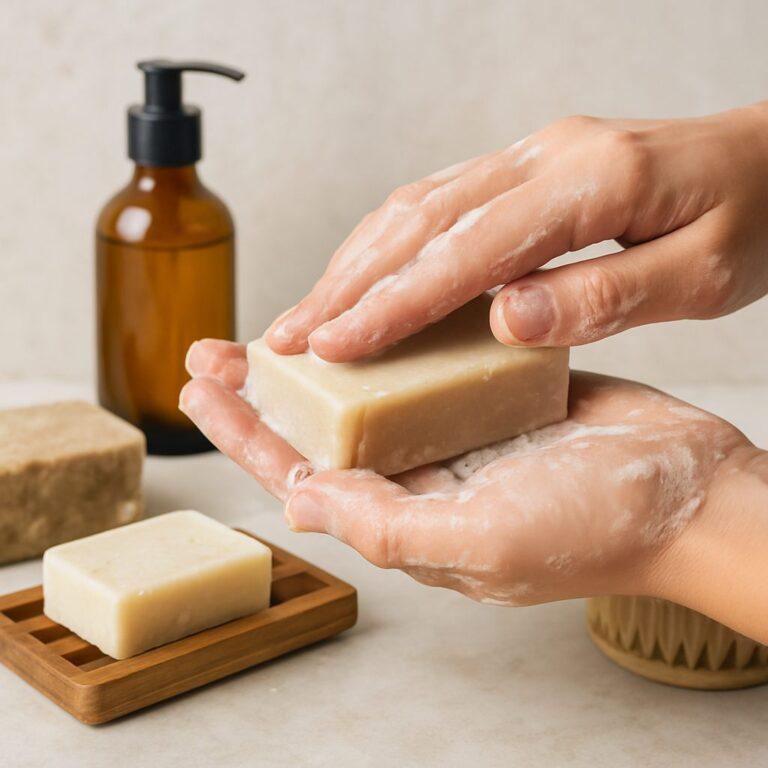
- Step 1 – Mild cleanse: Soak briefly in warm water with a drop of mild liquid soap, then gently wipe with a soft cloth to lift surface grime and oils. Do not leave the piece submerged for long; excess moisture can invite further tarnish.
- Step 2 – Rinse and dry: Rinse under clean water and pat dry completely; moisture left on metal accelerates tarnish and can cause water spots that are harder to buff away.
- Step 3 – Gentle polish for light tarnish: Use a dedicated silver polishing cloth or a commercially labeled silver polish; buff softly in the direction of the metal grain until the shine returns evenly and the surface looks uniform.
- Step 4 – Heavier tarnish (careful): For more stubborn tarnish, the aluminum foil and baking soda method can help. Line a non-reactive bowl with foil, submerge the item briefly in a warm baking-soda solution, then rinse and dry thoroughly. Do not use this method on pieces with delicate enamel, stones, or oxidized finishes.
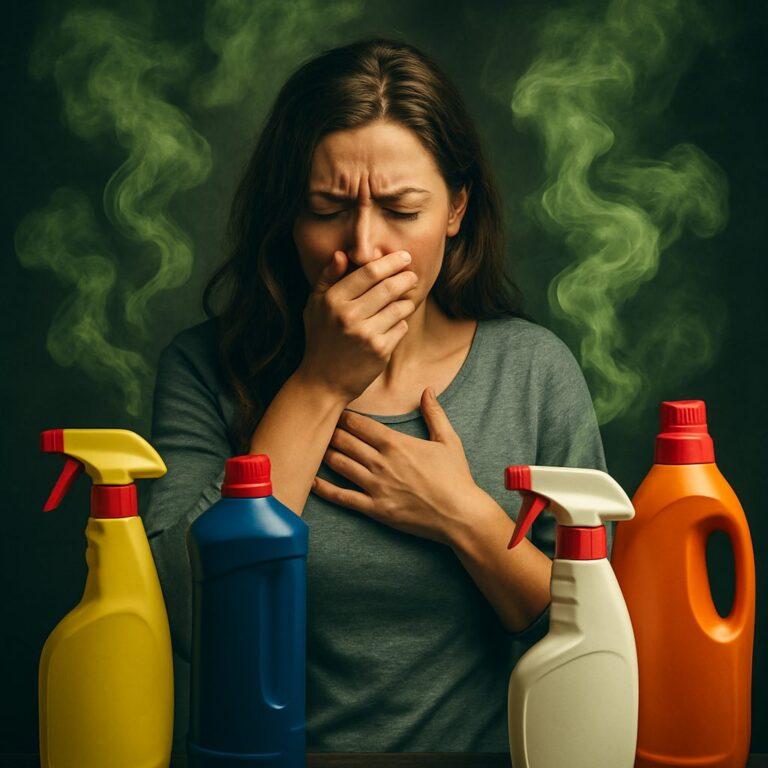
- Step 5 – What to avoid: Harsh abrasives, bleach, lemon juice, ammonia, or rough scrubbing that can scratch or strip plating. Avoid toothpaste pastes and home-cleaners not labeled for jewelry, as they can abrade delicate finishes.
Polishing cloths are gentle and quick, but they remove only surface tarnish. Silver polish solutions can remove deeper dullness, yet misuse risks removing delicate finishes or revealing the base metal on plated pieces. If your piece is plated, avoid aggressive buffing that could thin or remove the plating over time.
Concrete Example: A Bri's Bazaar sterling silver necklace developed a light haze after a humid Canadian week. You rinse with warm water, pat dry, and buff with a soft polishing cloth; the shine returns after a 60-second pass along the chain. If stubborn spots remain, repeat once and avoid scrubbing with abrasive pads.
In practice, the biggest misstep is assuming a fast shine means the issue is solved. If a film resists buffing or you notice black specks that wont lift, that signals deeper oxidation or a compromised finish—time to pause, document the piece, and consider professional cleaning or re-plating if needed.
Takeaway: Begin with a gentle cleaning, escalate only as necessary, and lean on Bri's Bazaar care notes for guidance on Canadian-made pieces.
When Tarnish Signals a Problem: Signs to Seek Help or Replating
Tarnish that shows up as patches of dark, uneven film or coppery edges around wear points is a practical signal—not a cosmetic nuisance. If you’re cleaning and the shine won’t come back uniformly, that’s a sign to pause the DIY routine and assess finish durability before you invest more time in polishing.
Watch for these telltale signs that indicate you may need professional care or replating:
- Uneven tarnish that won’t buff away with normal polishing and leaves a two-tone appearance.
- Copper undertone showing through at edges, clasps, or wear points, suggesting plating wear or base-metal exposure.
- Chips, flaking, or visible wear on the surface where the finish has thinned.
- Dulling that recurs after cleaning even when you’ve followed standard polishing steps.
- Labelled 925 but the color under the surface disagrees with typical sterling hues—indicating possible plating over a different metal.
If you see these signs, take a practical next step rather than trying to force it back to pristine with abrasive cleaners. First, confirm whether the piece is solid sterling or plated by reviewing the product description or hallmark. If it’s plated and the finish is compromised, replating or choosing a more durable Canadian-made piece may be wiser than continuing with aggressive DIY cleaning. For care guidance specific to Bri’s Bazaar’s Canadian-made jewelry, review the product details and care notes here. For background on when plating wear is a real finish problem, see Britannica and Gems Society.
Concrete example: A customer wears a sterling silver pendant daily. After several months, harsh handling and humidity form a dark film on the surface, with a faint copper hue at the clasp area. A standard polish fails to restore an even shine, prompting a professional assessment and a discussion about replating versus replacing with a solid sterling option.
A broader distinction matters here: tarnish is a surface phenomenon, while patina is a deliberate or natural color change some people value. If you’re chasing an even mirror finish, differentiation matters because patina or surface residues may mislead you about the underlying metal condition.
What to do now: if you’re shopping Bri’s Bazaar for durability, look for pieces marketed as solid sterling with durable finishes and clear care guidance in the product description. For pieces that show wear quickly in real-life Canadian use, replating or selecting a more resilient finish can extend wear life without frequent cleaning.
Caring for Sterling Silver in Your Bri's Bazaar Collection
In Bri's Bazaar, caring for sterling silver starts with finishing and storage discipline: solid sterling pieces require ongoing care, while some Canadian-made items arrive with protective finishes that slow tarnish. The first step is recognizing what you actually own—a 925 stamp helps confirm solid sterling, while coated finishes behave differently to maintenance, so tailor your routine accordingly.
Daily care is simple and cumulative. After wear, wipe with a soft microfiber cloth to remove oils; avoid lotions, perfumes, and chlorine that accelerate oxidation. Store each piece in an anti-tarnish pouch with a silica gel pack, and keep the set in a cool, dry area away from heat and humidity swings that Canada experiences between seasons.
Durable finishes matter. Some Bri's Bazaar pieces use protective coatings or plating overlays; these slow tarnish but they can wear through with heavy abrasion or long-term exposure to cosmetics. If you start to see copper peeking through or the surface appears thin, treat that as a signal to reassess the finish and consider re-plating or selecting a piece with a more durable coating in the future.
- Step 1: Gentle cleaning with mild soap and warm water, then rinse and pat dry with a lint-free cloth.
- Step 2: Light polishing with a silver polishing cloth or a dedicated silver polish for tiny dull spots, following the grain of the metal.
- Step 3: For stubborn tarnish use the aluminum foil and baking soda method with caution and only on solid sterling pieces; avoid when a piece is plated or has gemstones that could be damaged.
- Step 4: Do not use bleach, lemon juice, or abrasive pads that can scratch or strip finishes.
- Step 5: Safe storage after cleaning, return items to anti-tarnish pouches or separate compartments to minimize contact and scatter of sulfur compounds.
Consider a practical scenario: you own a 925 sterling silver bracelet from a Canadian maker in your Bri's Bazaar collection. You wear it mostly indoors, but humidity and indoor heating can dull the shine. If you wipe it after wear, store it in its anti-tarnish pouch with silica, and periodically run a light polish, the bracelet maintains its luster across the season.
A clear rule: tarnish is a surface reaction rather than a sign of poor quality. The more you prevent exposure to sulfur compounds and moisture, the longer the shine lasts with minimal intervention. If you notice rapid, unusual darkening or pitting, that signals deeper issues beyond routine care and warrants professional evaluation.
article blockquote,article ol li,article p,article ul li{font-family:inherit;font-size:18px}.featuredimage{height:300px;overflow:hidden;position:relative;margin-top:20px;margin-bottom:20px}.featuredimage img{width:100%;height:100%;top:50%;left:50%;object-fit:cover;position:absolute;transform:translate(-50%,-50%)}article p{line-height:30px}article ol li,article ul li{line-height:30px;margin-bottom:15px}article blockquote{border-left:4px solid #ccc;font-style:italic;background-color:#f8f9fa;padding:20px;border-radius:5px;margin:15px 10px}article div.info-box{background-color:#fff9db;padding:20px;border-radius:5px;margin:15px 0;border:1px solid #efe496}article table{margin:15px 0;padding:10px;border:1px solid #ccc}article div.info-box p{margin-bottom:0;margin-top:0}article span.highlight{background-color:#f8f9fb;padding:2px 5px;border-radius:5px}article div.info-box span.highlight{background:0 0!important;padding:0;border-radius:0}article img{max-width:100%;margin:20px 0}
Further reading