Winter Skin Care Essentials: Keep Your Skin Healthy During Cold Months
Winter Skin Care Essentials: Keep Your Skin Healthy During Cold Months
As the cold months roll in, our skin often feels the brunt of winter's harsh effects, leading to dryness and irritation. That's why having a solid winter skin care routine is essential for keeping your complexion healthy and radiant during this challenging season. In this post, we'll explore must-have products and tips for combating winter dryness, from hydrating facial moisturizers to nourishing body lotions, so you can embrace the beauty of winter without sacrificing your skin's health. Let’s dive into the essentials that will help you protect and nourish your skin all season long!
1. Hydrating Facial Moisturizer
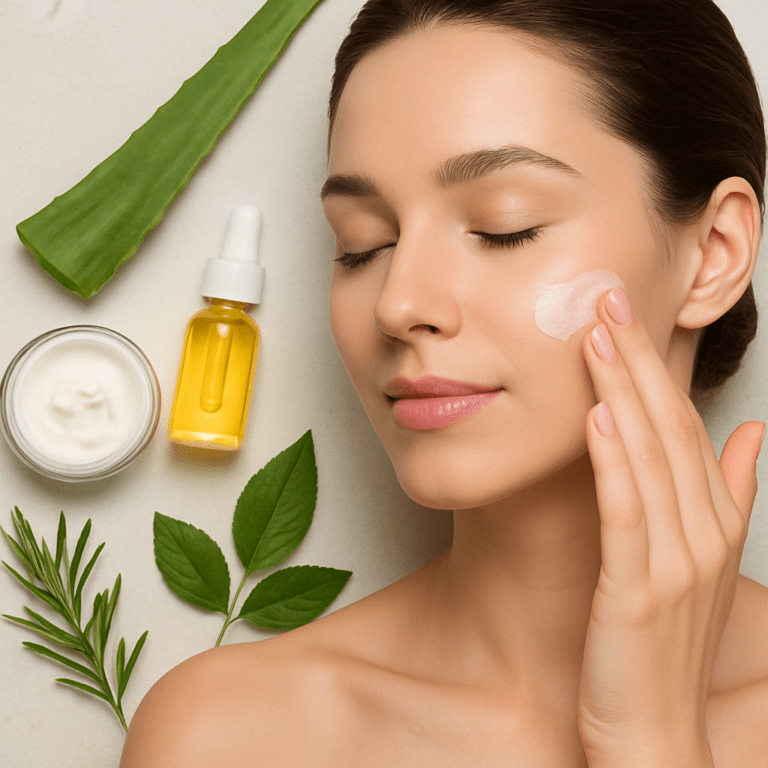
A hydrating facial moisturizer is a cornerstone of any winter skin care routine. Cold weather strips moisture from the air, leading to dry, flaky skin that can feel tight and uncomfortable. A good moisturizer not only combats this dryness but also helps maintain the skin's barrier function, preventing further moisture loss.
Importance of moisture retention in winter
In winter, the air is often drier, which can exacerbate conditions like eczema and psoriasis. Moisture retention becomes critical; using a product rich in emollients and humectants can make a significant difference. Ingredients such as hyaluronic acid draw water into the skin, while ceramides help lock it in. This dual action is essential for combating winter dryness effectively.
However, it's crucial to recognize that not all moisturizers are created equal. Many products marketed as hydrating may contain alcohol or synthetic ingredients that can irritate sensitive skin or provide only temporary relief. Always check labels for beneficial ingredients and steer clear of known irritants.
For example, consider incorporating a product like Consonant Skincare's HydrExtreme into your regimen. This Canadian-made moisturizer uses hyaluronic acid combined with natural oils to deeply hydrate without feeling greasy—ideal for those harsh Canadian winters.
- Look for products containing shea butter for its nourishing properties.
- Consider moisturizers with aloe vera to soothe irritated skin.
- Aim for thicker creams at night for added hydration while you sleep.
Choosing the right moisturizer can significantly impact your skin's overall health during winter.
2. Nourishing Body Lotion
A nourishing body lotion is crucial during winter months when skin is particularly vulnerable to dryness and irritation. Cold temperatures and low humidity levels strip moisture away, making it essential to replenish and lock in hydration. A well-formulated body lotion not only hydrates but also creates a protective barrier that helps prevent further moisture loss.
How body lotion prevents dryness
Effective body lotions often contain a blend of emollients, humectants, and occlusives. Emollients like shea butter and cocoa butter soften the skin, while humectants such as glycerin or hyaluronic acid attract moisture from the environment. Occlusives, like petrolatum or natural oils, form a barrier on the skin's surface to prevent water from escaping. This multi-faceted approach is key for combating winter dryness.
For instance, using a rich body lotion containing ceramides can help repair the skin barrier while providing long-lasting hydration. A practical application would be to apply the lotion immediately after showering when your skin is still slightly damp; this helps seal in moisture more effectively.
Highlighting brands such as Wild Hill Botanicals
When considering options for winter skincare, Wild Hill Botanicals stands out with its commitment to natural ingredients tailored for sensitive skin. Their body lotion harnesses the power of botanicals and essential oils to nourish and soothe without irritating. Products that are free from synthetic fragrances or harsh chemicals are particularly beneficial during winter when skin can be more reactive.
- Look for lotions with ingredients like aloe vera for added soothing properties.
- Consider options infused with vitamin E for its antioxidant benefits.
- Prioritize thicker formulations for nighttime use to maximize hydration.
The right body lotion can make a significant difference in maintaining healthy skin throughout the winter months.
3. Lip Balm with SPF
Lip balm with SPF is an essential component of any winter skin care routine, yet it's often overlooked. The cold weather can lead to chapped lips, and without proper protection, the sun's UV rays can exacerbate this issue even in winter months. Many people mistakenly believe that sun exposure is only a concern during summer, but UV rays can reflect off snow and cause damage just as easily in colder seasons.
Protecting lips from cold weather
Lips are particularly vulnerable to drying out due to their thin skin and lack of oil glands. A good lip balm acts as a barrier against harsh winds while providing hydration. Look for products that contain nourishing ingredients like shea butter or beeswax to create a protective layer. Additionally, incorporating SPF into your lip balm not only hydrates but also shields your lips from potential UV damage, which is crucial even when temperatures drop.
For instance, consider using Rocky Mountain Soap Company's Natural Lip Balm with SPF. This product combines natural oils and waxes to keep your lips moisturized while also protecting them from harmful sun exposure. Applying it before heading outdoors ensures you're not just combating dryness but also preventing long-term skin damage.
- Choose lip balms that are free from synthetic fragrances and additives.
- Look for balms containing antioxidants like vitamin E for added protection.
- Reapply frequently, especially after eating or drinking.
A well-formulated lip balm with SPF is vital for maintaining healthy lips during winter.
4. Gentle Cleanser
Using a gentle cleanser is crucial in winter skin care. Cold weather can leave your skin feeling tight and dry, but harsh cleansers can strip away essential oils, exacerbating these issues. A mild, hydrating cleanser helps maintain the skin's natural barrier while effectively removing dirt and impurities.
Keeping skin clean without stripping moisture
In winter, look for cleansers that contain moisturizing ingredients like glycerin or aloe vera. These components attract moisture to the skin and provide a soothing effect. Avoid products with alcohol or sulfates, as they can lead to irritation and further dryness.
For example, consider a product like Sudsatorium's Coconut Milk Cleanser. This gentle formula not only cleanses but also nourishes the skin with coconut milk and natural oils, making it suitable for sensitive skin types during harsh winter months.
Brands like Sudsatorium to consider
Sudsatorium stands out for its commitment to using natural ingredients that cater to sensitive skin. Their products are formulated without synthetic fragrances or harsh chemicals, which is particularly beneficial in winter when your skin may react more intensely to irritants. The brand emphasizes hydration without compromising on cleaning efficacy.
- Choose cleansers with hydrating ingredients like hyaluronic acid.
- Opt for cream-based formulations over foam-based ones to reduce drying effects.
A gentle cleanser is an essential part of protecting your skin from winter dryness.
5. Exfoliating Scrub
Exfoliating scrubs are a vital part of winter skin care, especially when combating the dryness that the season brings. Dead skin cells can accumulate on the surface, leading to a dull complexion and preventing your hydrating products from penetrating effectively. Removing these dead cells helps enhance absorption of moisturizers and serums, making your overall winter skin care routine more effective.
Removing dead skin cells to enhance absorption
In colder months, it's essential to strike a balance with exfoliation. While it can significantly improve your skin's texture and appearance, over-exfoliating can lead to irritation or sensitivity—especially in winter when your skin is already vulnerable. A gentle scrub once or twice a week is typically sufficient for most skin types. Look for products that contain natural exfoliants like sugar or salt, which tend to be less abrasive than synthetic options.
Discussing options from Pure Anada
Pure Anada offers a range of exfoliating scrubs that align well with the needs of winter skin. Their products often incorporate nourishing ingredients such as coconut oil and essential oils, which not only provide exfoliation but also hydrate and soothe the skin during the process. For instance, their Vanilla Sugar Scrub combines gentle exfoliation with moisturizing properties, making it ideal for those looking to refresh their skin without stripping it of its natural oils.
- Choose scrubs with natural exfoliants like sugar or ground coffee for gentler action.
- Consider formulations that include oils for added hydration during scrubbing.
- Be mindful of frequency; once or twice a week is generally enough during winter.
Exfoliation in winter should enhance your routine without causing irritation.
6. Hydrating Face Mask
Incorporating a hydrating face mask into your winter skin care routine can significantly enhance moisture levels, particularly during the colder months when skin tends to become dry and irritated. These masks provide an intensive treatment that goes beyond everyday moisturizers, delivering concentrated hydration and nourishment directly to the skin.
Benefits of using masks during winter
Hydrating face masks often contain ingredients like hyaluronic acid, aloe vera, and vitamin E, which are known for their ability to draw moisture into the skin and keep it there. While regular use of a quality moisturizer is essential, a mask can serve as a powerful boost that helps repair winter skin damage. This is particularly beneficial for those who experience sensitivity or irritation due to cold weather.
However, it’s important to recognize that not all masks are created equal. Some may contain fragrances or alcohols that can exacerbate dryness rather than alleviate it. Always choose products with natural ingredients that cater specifically to sensitive skin.
- Look for masks with ceramides that help restore the skin barrier.
- Choose options containing natural oils like jojoba or argan oil for additional moisture.
- Consider using a mask overnight for enhanced hydration while you sleep.
A hydrating face mask can be a game changer in your winter skincare arsenal.
7. Hand Cream for Dry Hands
Hand cream is not just a luxury; it's a necessity during the winter months when cold air and frequent handwashing can lead to severe dryness and irritation. The skin on your hands is thinner and often more sensitive, making it particularly vulnerable to the harsh effects of winter weather.
Importance of hand care in winter
In winter, the combination of frigid temperatures and low humidity strips moisture from the skin, leading to cracked, chapped hands. Regularly applying a rich hand cream helps to restore hydration and protect the skin barrier. Look for creams that contain occlusive agents such as shea butter or natural oils, which create a barrier to lock in moisture.
It's also important to consider that not all hand creams are made equal. Many products contain alcohol or artificial fragrances that can further irritate sensitive skin. Opt for formulations free from these irritants and those enriched with nourishing ingredients like aloe vera or vitamin E.
For example, The Green Kiss offers several options tailored for winter conditions. Their hand creams are designed with natural ingredients that deeply moisturize without leaving a greasy residue—perfect for daily use throughout the day.
- Choose hand creams with at least 20% oil content for effective moisture retention.
- Apply hand cream immediately after washing your hands to lock in hydration.
- Consider using heavier formulations at night for intensive overnight care.
Using a good hand cream regularly can prevent long-term damage caused by winter dryness.
8. Overnight Repair Oil
Overnight repair oils are a key player in winter skin care, providing deep nourishment that can transform your skin by morning. These oils work by forming a protective barrier that locks in moisture while you sleep, making them particularly effective for combating winter dryness.
How oils can restore moisture overnight
The primary function of overnight repair oils is to replenish lipids that cold weather strips away. Formulations rich in natural oils like jojoba, argan, or rosehip offer essential fatty acids and antioxidants that help repair the skin barrier and promote healing. They penetrate deeply into the skin, enhancing moisture retention and reducing the appearance of fine lines and dryness.
- Choose oils high in linoleic acid for better absorption.
- Look for blends that include Vitamin E for additional antioxidant protection.
- Consider applying these oils as the final step in your nighttime routine for maximum effectiveness.
One product worth considering is Osea Malibu's Advanced Protection Cream. While technically a cream, it incorporates nourishing oil elements designed to restore hydration overnight. Users have reported significant improvements in skin texture and hydration levels after consistent use during harsh winters.
The right overnight oil can significantly boost your skin's resilience against winter damage.
A common misconception is that oily products will clog pores or cause breakouts; however, many natural oils are non-comedogenic and suitable even for oily or combination skin types. It's essential to choose the right type of oil based on your specific skin needs—lighter oils may work better for those prone to acne while heavier ones can be beneficial for extremely dry skin.
Sunscreen for Winter Protection
Many people underestimate the importance of sunscreen during winter months. The sun's UV rays can still penetrate through the clouds and reflect off snow, increasing the risk of skin damage. This is especially crucial for those living in regions with harsh winters, like Canada, where the reflective nature of snow can amplify UV exposure.
The need for UV protection even in winter
Despite lower temperatures, UV radiation remains a threat. UVA rays can lead to premature aging and skin cancer, while UVB rays are primarily responsible for sunburn. A common misconception is that sunscreen is only necessary on sunny days; however, up to 80% of UV rays can pass through clouds. Therefore, integrating a broad-spectrum sunscreen into your winter skin care routine is non-negotiable.
For practical application, consider using a moisturizer with SPF as part of your daily regimen. This not only simplifies your routine but ensures you’re protected without feeling like you’re applying an additional layer. For example, a product like SkinCeuticals Daily Moisturizer offers both hydration and SPF protection in one go.
- Opt for at least SPF 30 for daily use.
- Look for products labeled broad-spectrum to ensure UVA and UVB protection.
- Reapply every two hours if you're outdoors, especially during activities like skiing or snowboarding.
Sunscreen should be applied year-round; don’t limit its use to sunny days.
Another consideration is choosing formulas suitable for sensitive skin types, particularly those prone to irritation from cold weather. Many winter skin care products can be heavy or occlusive, so finding a lightweight sunscreen that doesn’t clog pores is essential.
10. Humidifier Benefits
Using a humidifier during the winter months can significantly enhance your winter skin care routine. The cold air outside, combined with heated indoor environments, leads to a drastic drop in humidity levels. This not only dries out the air but also strips moisture from your skin, exacerbating issues like flakiness and irritation.
A humidifier helps combat these effects by adding moisture back into the air, which in turn can help maintain your skin's hydration levels. This is particularly important for those with sensitive skin or pre-existing conditions like eczema, which can flare up due to dry air.
For example, consider placing a humidifier in your bedroom while you sleep. This allows for continuous moisture replenishment overnight, helping to keep your skin hydrated and reducing the likelihood of waking up with tight or dry skin. Many users report that their overall skin texture improves when they incorporate this simple device into their nighttime routine.
However, it's essential to maintain and clean your humidifier regularly. A dirty humidifier can disperse bacteria and mold particles into the air, potentially leading to respiratory issues or allergies. Selecting a model with an easy-to-clean design can help mitigate this risk.
Integrating a humidifier into your winter skincare strategy can yield significant benefits for maintaining skin health.
Recommendations for Canadian-made humidifiers
When choosing a humidifier, consider options from Canadian brands that prioritize quality and effectiveness. For instance, look at models from companies like Tenergy or Crane Canada. These brands offer various sizes and types of humidifiers suitable for different rooms and needs.
- Tenergy: Known for its compact and efficient designs that fit well in smaller spaces.
- Crane Canada: Offers stylish options that double as decor while providing effective humidity control.
article blockquote,article ol li,article p,article ul li{font-family:inherit;font-size:18px}.featuredimage{height:300px;overflow:hidden;position:relative;margin-top:20px;margin-bottom:20px}.featuredimage img{width:100%;height:100%;top:50%;left:50%;object-fit:cover;position:absolute;transform:translate(-50%,-50%)}article p{line-height:30px}article ol li,article ul li{line-height:30px;margin-bottom:15px}article blockquote{border-left:4px solid #ccc;font-style:italic;background-color:#f8f9fa;padding:20px;border-radius:5px;margin:15px 10px}article div.info-box{background-color:#fff9db;padding:20px;border-radius:5px;margin:15px 0;border:1px solid #efe496}article table{margin:15px 0;padding:10px;border:1px solid #ccc}article div.info-box p{margin-bottom:0;margin-top:0}article span.highlight{background-color:#f8f9fb;padding:2px 5px;border-radius:5px}article div.info-box span.highlight{background:0 0!important;padding:0;border-radius:0}article img{max-width:100%;margin:20px 0}
Further reading