

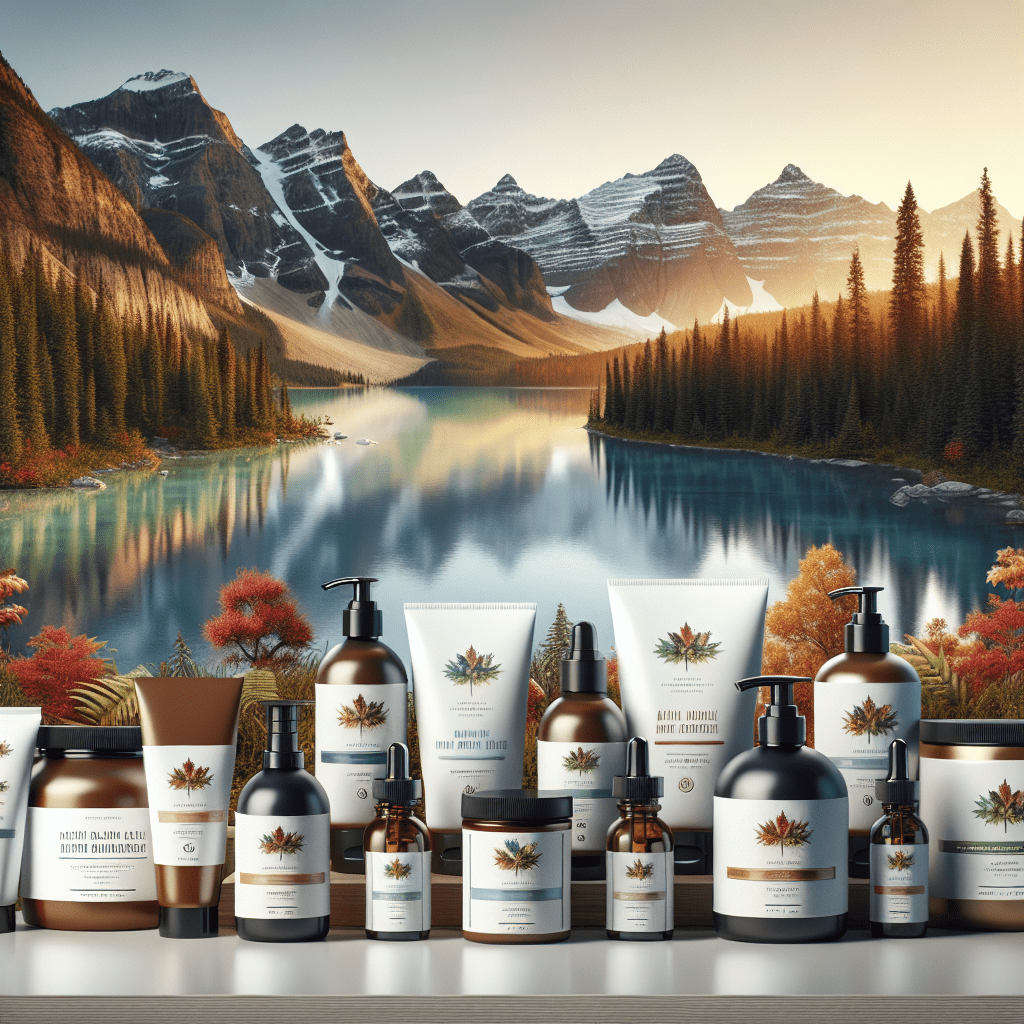
Effective Treatment for Frizzy Hair: Natural Solutions That Actually Work
Understanding the Causes of Frizzy Hair
Frizzy hair is often the result of a combination of environmental factors and inherent hair characteristics. Understanding these causes is crucial for effective treatment for frizzy hair.
Environmental Factors: Humidity, Temperature Fluctuations, and Pollution
High humidity levels can lead to increased moisture absorption in the hair, causing it to swell and become frizzy. Conversely, dry air can strip moisture from the hair, resulting in brittleness. Pollution can also contribute by depositing harmful particles that damage the hair cuticle, exacerbating frizz.
Hair Structure and Genetics: How They Influence Frizz
The natural structure of your hair plays a significant role in its susceptibility to frizz. Curly or wavy hair types tend to be more prone to frizz due to their shape, which makes it harder for natural oils to travel down the shaft. Genetics also dictate how porous your hair is; highly porous hair absorbs more moisture but loses it just as quickly, leading to a cycle of frizz.
Chemical Treatments and Their Impact on Hair Health
Chemical treatments such as coloring, perming, or relaxing can weaken the hair structure over time. While they may provide temporary smoothness, they often lead to long-term damage that increases frizz. The misconception that these treatments will permanently resolve frizziness leads many to overestimate their benefits without recognizing the potential for damage.
- Humidity causes temporary swelling in hair fibers.
- Genetics dictate both texture and porosity levels.
Understanding these factors helps tailor effective treatment strategies.
Frizzy hair is often the result of a combination of environmental factors and inherent hair characteristics. Understanding these causes is crucial for effective treatment for frizzy hair.
Environmental Factors: Humidity, Temperature Fluctuations, and Pollution
High humidity levels can lead to increased moisture absorption in the hair, causing it to swell and become frizzy. Conversely, dry air can strip moisture from the hair, resulting in brittleness. Pollution can also contribute by depositing harmful particles that damage the hair cuticle, exacerbating frizz.
Hair Structure and Genetics: How They Influence Frizz
The natural structure of your hair plays a significant role in its susceptibility to frizz. Curly or wavy hair types tend to be more prone to frizz due to their shape, which makes it harder for natural oils to travel down the shaft. Genetics also dictate how porous your hair is; highly porous hair absorbs more moisture but loses it just as quickly, leading to a cycle of frizz.
Chemical Treatments and Their Impact on Hair Health
Chemical treatments such as coloring, perming, or relaxing can weaken the hair structure over time. While they may provide temporary smoothness, they often lead to long-term damage that increases frizz. The misconception that these treatments will permanently resolve frizziness leads many to overestimate their benefits without recognizing the potential for damage.
- Humidity causes temporary swelling in hair fibers.
- Genetics dictate both texture and porosity levels.
Understanding these factors helps tailor effective treatment strategies.
Natural Oils for Frizz Control
Natural oils are among the most effective treatments for frizzy hair, particularly for those with dry or coarse textures. These oils not only provide moisture but also help seal the hair cuticle, reducing frizz and enhancing shine.
Coconut Oil: Penetration Properties and Moisture Retention
Coconut oil is best suited for individuals with thick, curly hair that tends to absorb moisture from the environment. Its unique fatty acid composition allows it to penetrate the hair shaft deeply, promoting hydration and reducing frizz. However, it's important to note that coconut oil can weigh down fine hair types, making it less ideal for those with straight or thin strands.
Argan Oil: Rich in Fatty Acids and Vitamins for Shine
Argan oil is particularly beneficial for those looking to enhance shine while controlling frizz. Rich in essential fatty acids and antioxidants, it nourishes both the hair and scalp. Its lightweight formula makes it suitable for all hair types, but over-application can lead to greasy-looking strands. A few drops applied to damp hair can significantly improve texture without heaviness.
Jojoba Oil: Mimics Natural Sebum for Scalp Health
Jojoba oil stands out due to its similarity to natural sebum produced by the scalp. This makes it an excellent choice for maintaining scalp health while providing moisture to dry ends. It works well in combination with other oils, but some users may find that it does not provide enough hydration on its own during extremely dry conditions.
- Coconut oil is ideal for thick, curly hair but may weigh down fine strands.
- Argan oil enhances shine and is versatile across all hair types.
- Jojoba oil supports scalp health and pairs well with other oils.
Less is more—applying too much oil can lead to greasy appearances.
Natural oils are among the most effective treatments for frizzy hair, particularly for those with dry or coarse textures. These oils not only provide moisture but also help seal the hair cuticle, reducing frizz and enhancing shine.
Coconut Oil: Penetration Properties and Moisture Retention
Coconut oil is best suited for individuals with thick, curly hair that tends to absorb moisture from the environment. Its unique fatty acid composition allows it to penetrate the hair shaft deeply, promoting hydration and reducing frizz. However, it's important to note that coconut oil can weigh down fine hair types, making it less ideal for those with straight or thin strands.
Argan Oil: Rich in Fatty Acids and Vitamins for Shine
Argan oil is particularly beneficial for those looking to enhance shine while controlling frizz. Rich in essential fatty acids and antioxidants, it nourishes both the hair and scalp. Its lightweight formula makes it suitable for all hair types, but over-application can lead to greasy-looking strands. A few drops applied to damp hair can significantly improve texture without heaviness.
Jojoba Oil: Mimics Natural Sebum for Scalp Health
Jojoba oil stands out due to its similarity to natural sebum produced by the scalp. This makes it an excellent choice for maintaining scalp health while providing moisture to dry ends. It works well in combination with other oils, but some users may find that it does not provide enough hydration on its own during extremely dry conditions.
- Coconut oil is ideal for thick, curly hair but may weigh down fine strands.
- Argan oil enhances shine and is versatile across all hair types.
- Jojoba oil supports scalp health and pairs well with other oils.
Less is more—applying too much oil can lead to greasy appearances.
DIY Hair Masks Using Common Ingredients
DIY hair masks can be an effective treatment for frizzy hair, utilizing ingredients commonly found in your kitchen. These masks not only provide nourishment but also enhance moisture retention, which is crucial for combating frizz.
Avocado and Honey Mask: Nourishment and Hydration Benefits
The avocado and honey mask is best for individuals with dry or coarse hair. Avocado is rich in fatty acids, while honey acts as a humectant, attracting moisture. However, this mask can be too heavy for fine hair types, potentially leading to a greasy appearance.
To use this mask, blend one ripe avocado with two tablespoons of honey until smooth. Apply it to damp hair, focusing on the ends, and leave it on for about 30 minutes before rinsing thoroughly. This process nourishes the hair while providing hydration.
Banana and Olive Oil Treatment: Smoothing Properties Explained
The banana and olive oil treatment fits best when you're looking for a natural way to smooth out frizz. Bananas contain potassium which strengthens the hair shaft, while olive oil adds shine and reduces breakage. A common mistake is overestimating the smoothing effect; results can vary based on individual hair type.
To create this mixture, mash one ripe banana with two tablespoons of olive oil until well combined. Apply it to your hair and leave it on for about 20 minutes before washing out. This treatment can significantly reduce frizz while enhancing shine.
Yogurt and Aloe Vera Blend: Promoting Scalp Health While Reducing Frizz
This yogurt and aloe vera blend is particularly beneficial for scalp health alongside frizz reduction. Yogurt contains probiotics that promote a healthy scalp environment, while aloe vera hydrates the hair shaft. However, some users may find that yogurt alone does not provide enough conditioning during very dry seasons.
Mix half a cup of plain yogurt with two tablespoons of aloe vera gel and apply it directly to your scalp and hair lengths. Leave it on for about 30 minutes before rinsing off thoroughly. This not only helps in managing frizz but also maintains a healthy scalp.
Using fresh ingredients ensures maximum effectiveness; store-bought alternatives may lack potency.
DIY hair masks can be an effective treatment for frizzy hair, utilizing ingredients commonly found in your kitchen. These masks not only provide nourishment but also enhance moisture retention, which is crucial for combating frizz.
Avocado and Honey Mask: Nourishment and Hydration Benefits
The avocado and honey mask is best for individuals with dry or coarse hair. Avocado is rich in fatty acids, while honey acts as a humectant, attracting moisture. However, this mask can be too heavy for fine hair types, potentially leading to a greasy appearance.
To use this mask, blend one ripe avocado with two tablespoons of honey until smooth. Apply it to damp hair, focusing on the ends, and leave it on for about 30 minutes before rinsing thoroughly. This process nourishes the hair while providing hydration.
Banana and Olive Oil Treatment: Smoothing Properties Explained
The banana and olive oil treatment fits best when you're looking for a natural way to smooth out frizz. Bananas contain potassium which strengthens the hair shaft, while olive oil adds shine and reduces breakage. A common mistake is overestimating the smoothing effect; results can vary based on individual hair type.
To create this mixture, mash one ripe banana with two tablespoons of olive oil until well combined. Apply it to your hair and leave it on for about 20 minutes before washing out. This treatment can significantly reduce frizz while enhancing shine.
Yogurt and Aloe Vera Blend: Promoting Scalp Health While Reducing Frizz
This yogurt and aloe vera blend is particularly beneficial for scalp health alongside frizz reduction. Yogurt contains probiotics that promote a healthy scalp environment, while aloe vera hydrates the hair shaft. However, some users may find that yogurt alone does not provide enough conditioning during very dry seasons.
Mix half a cup of plain yogurt with two tablespoons of aloe vera gel and apply it directly to your scalp and hair lengths. Leave it on for about 30 minutes before rinsing off thoroughly. This not only helps in managing frizz but also maintains a healthy scalp.
Using fresh ingredients ensures maximum effectiveness; store-bought alternatives may lack potency.
The Role of Proper Hair Care Techniques
Effective treatment for frizzy hair largely hinges on adopting proper hair care techniques. The right methods not only help in minimizing frizz but also enhance overall hair health. This is particularly crucial for individuals with textured or coarse hair, where frizz can be more pronounced.
Choosing the Right Shampoo and Conditioner to Minimize Frizz
Selecting sulfate-free shampoos and moisturizing conditioners is essential for reducing frizz. Sulfates can strip natural oils from the hair, exacerbating dryness and frizz. Products specifically formulated for frizz control often contain ingredients like silicones or natural oils that help seal the cuticle and retain moisture. However, consumers should be cautious; some products labeled as frizz-fighting may contain heavy silicones that build up over time, necessitating clarifying shampoos that can further dry out the hair.
Techniques for Drying Hair to Reduce Frizz Formation
How you dry your hair significantly impacts its texture. Air drying is often recommended as it minimizes heat exposure, but using a microfiber towel can further reduce friction that leads to frizz. Instead of rubbing the hair vigorously, gently blotting it can help maintain its natural shape and smoothness. A common mistake is using regular bath towels which can create static and roughen the cuticle, leading to increased frizziness.
Combing vs. Brushing: Methods That Affect Hair Texture
Combing your hair while it's wet with a wide-tooth comb is generally preferable for minimizing damage and frizz compared to brushing. Brushes can disrupt the cuticle's alignment, especially on damp hair, leading to increased frizziness once it dries. The misconception that brushing is necessary for detangling often leads to unnecessary breakage; instead, using a comb allows for gentler detangling without compromising texture.
Proper drying techniques and gentle detangling are critical in maintaining smoothness.
Effective treatment for frizzy hair largely hinges on adopting proper hair care techniques. The right methods not only help in minimizing frizz but also enhance overall hair health. This is particularly crucial for individuals with textured or coarse hair, where frizz can be more pronounced.
Choosing the Right Shampoo and Conditioner to Minimize Frizz
Selecting sulfate-free shampoos and moisturizing conditioners is essential for reducing frizz. Sulfates can strip natural oils from the hair, exacerbating dryness and frizz. Products specifically formulated for frizz control often contain ingredients like silicones or natural oils that help seal the cuticle and retain moisture. However, consumers should be cautious; some products labeled as frizz-fighting may contain heavy silicones that build up over time, necessitating clarifying shampoos that can further dry out the hair.
Techniques for Drying Hair to Reduce Frizz Formation
How you dry your hair significantly impacts its texture. Air drying is often recommended as it minimizes heat exposure, but using a microfiber towel can further reduce friction that leads to frizz. Instead of rubbing the hair vigorously, gently blotting it can help maintain its natural shape and smoothness. A common mistake is using regular bath towels which can create static and roughen the cuticle, leading to increased frizziness.
Combing vs. Brushing: Methods That Affect Hair Texture
Combing your hair while it's wet with a wide-tooth comb is generally preferable for minimizing damage and frizz compared to brushing. Brushes can disrupt the cuticle's alignment, especially on damp hair, leading to increased frizziness once it dries. The misconception that brushing is necessary for detangling often leads to unnecessary breakage; instead, using a comb allows for gentler detangling without compromising texture.
Proper drying techniques and gentle detangling are critical in maintaining smoothness.
Heat Styling Alternatives to Reduce Damage
Relying on heat styling tools can exacerbate frizz by damaging the hair cuticle. Opting for heat-free styling methods is essential for maintaining healthy hair while effectively managing frizz.
Heat-Free Styling Methods for Different Hair Types
For those with straight or wavy hair, braiding damp hair before bed can create natural waves without heat. Curly hair types benefit from twist-outs or bantu knots, which enhance curl definition while avoiding damage associated with heat styling. However, these methods require time and patience; results are not instant and may vary based on individual hair texture.
Protective Hairstyles That Maintain Moisture Levels
Protective hairstyles such as buns, braids, or twists can help lock in moisture and minimize exposure to environmental factors that lead to frizz. These styles are particularly effective for textured hair that is prone to dryness. A common mistake is wearing these styles too tightly, which can lead to breakage and stress on the scalp.
Using Heat Protectants Effectively When Styling Is Necessary
When heat styling is unavoidable, using a quality heat protectant is crucial. These products form a barrier that helps shield the hair from high temperatures. However, many users underestimate the amount needed; applying too little may not provide adequate protection, while over-application can leave the hair greasy. The key is to follow the product instructions closely and adjust based on your specific hair type.
Avoiding excessive heat exposure is more effective than relying solely on protectants.
Relying on heat styling tools can exacerbate frizz by damaging the hair cuticle. Opting for heat-free styling methods is essential for maintaining healthy hair while effectively managing frizz.
Heat-Free Styling Methods for Different Hair Types
For those with straight or wavy hair, braiding damp hair before bed can create natural waves without heat. Curly hair types benefit from twist-outs or bantu knots, which enhance curl definition while avoiding damage associated with heat styling. However, these methods require time and patience; results are not instant and may vary based on individual hair texture.
Protective Hairstyles That Maintain Moisture Levels
Protective hairstyles such as buns, braids, or twists can help lock in moisture and minimize exposure to environmental factors that lead to frizz. These styles are particularly effective for textured hair that is prone to dryness. A common mistake is wearing these styles too tightly, which can lead to breakage and stress on the scalp.
Using Heat Protectants Effectively When Styling Is Necessary
When heat styling is unavoidable, using a quality heat protectant is crucial. These products form a barrier that helps shield the hair from high temperatures. However, many users underestimate the amount needed; applying too little may not provide adequate protection, while over-application can leave the hair greasy. The key is to follow the product instructions closely and adjust based on your specific hair type.
Avoiding excessive heat exposure is more effective than relying solely on protectants.
The Importance of a Balanced Diet for Healthy Hair
A balanced diet is essential for maintaining healthy hair, particularly when addressing treatment for frizzy hair. Nutritional deficiencies can lead to weak, brittle strands that are more prone to frizz. Consuming a variety of vitamins, minerals, and proteins not only supports overall health but directly impacts hair resilience and appearance.
Nutrients Essential for Hair Health: Vitamins, Minerals, and Proteins
Key nutrients such as biotin, vitamin E, zinc, and omega-3 fatty acids play crucial roles in hair health. Biotin promotes keratin production, strengthening the hair structure. Vitamin E acts as an antioxidant that helps prevent oxidative stress on the scalp. Zinc is vital for tissue growth and repair, while omega-3 fatty acids nourish the hair follicles. However, relying solely on supplements without incorporating these nutrients through food can lead to imbalances that may not effectively support hair health.
Hydration's Role in Maintaining Hair Moisture Levels
Hydration is often overlooked when considering treatment for frizzy hair. Water intake directly affects the moisture levels of your hair; insufficient hydration can lead to dryness and increased frizz. While topical treatments can help temporarily smooth the cuticle, they cannot replace internal hydration needs. A common misconception is that drinking water alone suffices; however, consuming hydrating foods such as cucumbers and oranges can enhance overall moisture retention.
Foods to Incorporate into Your Diet for Better Hair Resilience
'Incorporating specific foods into your diet can significantly improve hair resilience against frizz. Foods rich in antioxidants like berries and leafy greens protect against damage from environmental factors. Additionally, protein-rich foods such as eggs and legumes provide the building blocks necessary for strong hair growth. However, many people underestimate the impact of overall dietary patterns; focusing on individual foods without considering balance may yield suboptimal results.
- Biotin-rich foods: eggs, nuts, seeds.
- Vitamin E sources: spinach, avocados.
- Omega-3 fatty acids: salmon, flaxseeds.
- Zinc-rich options: pumpkin seeds, lentils.
A holistic approach—combining dietary changes with other treatments—yields the best results.
A balanced diet is essential for maintaining healthy hair, particularly when addressing treatment for frizzy hair. Nutritional deficiencies can lead to weak, brittle strands that are more prone to frizz. Consuming a variety of vitamins, minerals, and proteins not only supports overall health but directly impacts hair resilience and appearance.
Nutrients Essential for Hair Health: Vitamins, Minerals, and Proteins
Key nutrients such as biotin, vitamin E, zinc, and omega-3 fatty acids play crucial roles in hair health. Biotin promotes keratin production, strengthening the hair structure. Vitamin E acts as an antioxidant that helps prevent oxidative stress on the scalp. Zinc is vital for tissue growth and repair, while omega-3 fatty acids nourish the hair follicles. However, relying solely on supplements without incorporating these nutrients through food can lead to imbalances that may not effectively support hair health.
Hydration's Role in Maintaining Hair Moisture Levels
Hydration is often overlooked when considering treatment for frizzy hair. Water intake directly affects the moisture levels of your hair; insufficient hydration can lead to dryness and increased frizz. While topical treatments can help temporarily smooth the cuticle, they cannot replace internal hydration needs. A common misconception is that drinking water alone suffices; however, consuming hydrating foods such as cucumbers and oranges can enhance overall moisture retention.
Foods to Incorporate into Your Diet for Better Hair Resilience
'Incorporating specific foods into your diet can significantly improve hair resilience against frizz. Foods rich in antioxidants like berries and leafy greens protect against damage from environmental factors. Additionally, protein-rich foods such as eggs and legumes provide the building blocks necessary for strong hair growth. However, many people underestimate the impact of overall dietary patterns; focusing on individual foods without considering balance may yield suboptimal results.
- Biotin-rich foods: eggs, nuts, seeds.
- Vitamin E sources: spinach, avocados.
- Omega-3 fatty acids: salmon, flaxseeds.
- Zinc-rich options: pumpkin seeds, lentils.
A holistic approach—combining dietary changes with other treatments—yields the best results.
Evaluating Commercial Products with Natural Ingredients
When searching for an effective treatment for frizzy hair, commercial products that emphasize natural ingredients can be a viable option. These products often contain components known to combat frizz, such as shea butter, aloe vera, and various botanical extracts. They are particularly well-suited for individuals who prefer ready-to-use solutions over DIY treatments.
Identifying Key Ingredients That Combat Frizz Effectively
Look for products that include ingredients like glycerin, which attracts moisture, and silicones that create a protective barrier against humidity. However, it’s essential to recognize that not all natural ingredients are equally effective for every hair type. For instance, while oils like argan or jojoba can provide moisture and shine, they may not deliver the desired results for fine hair types due to their weight.
Understanding Product Labels: What to Look for in Formulations
Reading product labels is crucial for making informed choices. Focus on the order of ingredients; those listed first are present in the highest concentrations. Beware of terms like fragrance or parfum, which can indicate synthetic additives that may irritate the scalp or diminish hair health over time. Transparency in labeling is a good indicator of a quality product.
Made-in-Canada Brands That Specialize in Natural Hair Care Solutions
Made-in-Canada brands often emphasize sustainable practices and ingredient sourcing, making them a worthwhile consideration. However, buyers should be cautious; just because a product is labeled as natural does not guarantee effectiveness against frizz. Brands like Sudsatorium and The Green Kiss focus on eco-friendly formulations but may vary in performance based on individual hair needs.
Not all natural ingredients work equally well for every hair type; personal testing is key.
'To implement these insights effectively, consider creating a routine where you assess different products based on your hair's response over time. Start with small quantities to gauge how well your hair reacts before fully committing to a particular brand or formulation.'
When searching for an effective treatment for frizzy hair, commercial products that emphasize natural ingredients can be a viable option. These products often contain components known to combat frizz, such as shea butter, aloe vera, and various botanical extracts. They are particularly well-suited for individuals who prefer ready-to-use solutions over DIY treatments.
Identifying Key Ingredients That Combat Frizz Effectively
Look for products that include ingredients like glycerin, which attracts moisture, and silicones that create a protective barrier against humidity. However, it’s essential to recognize that not all natural ingredients are equally effective for every hair type. For instance, while oils like argan or jojoba can provide moisture and shine, they may not deliver the desired results for fine hair types due to their weight.
Understanding Product Labels: What to Look for in Formulations
Reading product labels is crucial for making informed choices. Focus on the order of ingredients; those listed first are present in the highest concentrations. Beware of terms like fragrance or parfum, which can indicate synthetic additives that may irritate the scalp or diminish hair health over time. Transparency in labeling is a good indicator of a quality product.
Made-in-Canada Brands That Specialize in Natural Hair Care Solutions
Made-in-Canada brands often emphasize sustainable practices and ingredient sourcing, making them a worthwhile consideration. However, buyers should be cautious; just because a product is labeled as natural does not guarantee effectiveness against frizz. Brands like Sudsatorium and The Green Kiss focus on eco-friendly formulations but may vary in performance based on individual hair needs.
Not all natural ingredients work equally well for every hair type; personal testing is key.
'To implement these insights effectively, consider creating a routine where you assess different products based on your hair's response over time. Start with small quantities to gauge how well your hair reacts before fully committing to a particular brand or formulation.'
article blockquote,article ol li,article p,article ul li{font-family:inherit;font-size:18px}.featuredimage{height:300px;overflow:hidden;position:relative;margin-top:20px;margin-bottom:20px}.featuredimage img{width:100%;height:100%;top:50%;left:50%;object-fit:cover;position:absolute;transform:translate(-50%,-50%)}article p{line-height:30px}article ol li,article ul li{line-height:30px;margin-bottom:15px}article blockquote{border-left:4px solid #ccc;font-style:italic;background-color:#f8f9fa;padding:20px;border-radius:5px;margin:15px 10px}article div.info-box{background-color:#fff9db;padding:20px;border-radius:5px;margin:15px 0;border:1px solid #efe496}article table{margin:15px 0;padding:10px;border:1px solid #ccc}article div.info-box p{margin-bottom:0;margin-top:0}article span.highlight{background-color:#f8f9fb;padding:2px 5px;border-radius:5px}article div.info-box span.highlight{background:0 0!important;padding:0;border-radius:0}article img{max-width:100%;margin:20px 0}