

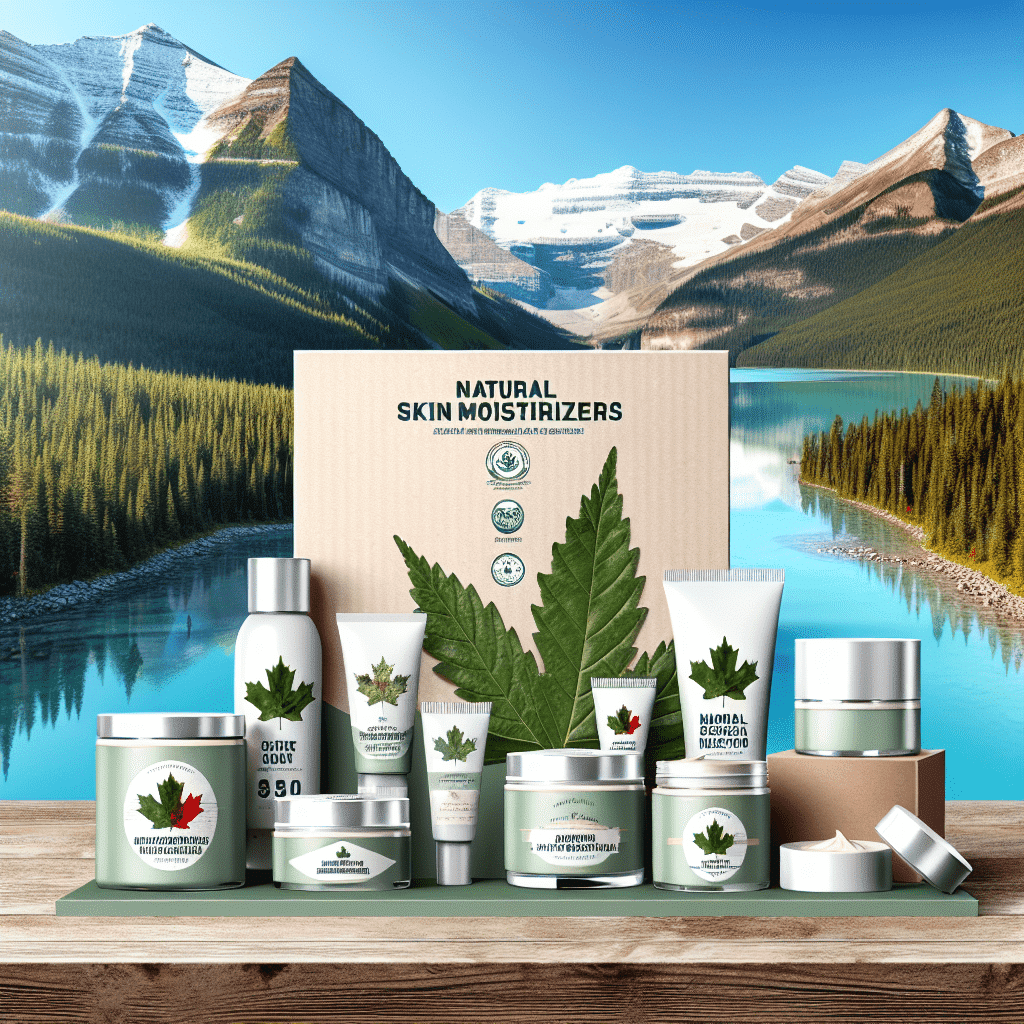
Best Natural Skin Moisturizers to Hydrate and Nourish Your Complexion
Understanding Natural Ingredients in Skin Moisturizers
Natural skin moisturizers are best suited for individuals seeking to avoid synthetic chemicals and prefer products derived from plant-based sources. These moisturizers often include oils, butters, and botanical extracts that can provide hydration and nourishment without the potential irritants found in many conventional products.
However, one significant limitation is that natural formulations may have shorter shelf lives compared to their synthetic counterparts. This can lead to concerns about product stability and efficacy over time, particularly if they lack preservatives. Consequently, consumers must be vigilant about expiration dates and proper storage.
For example, a skincare routine incorporating a natural moisturizer might involve applying a jojoba oil-based cream after cleansing the face in the evening. This practice allows the skin to absorb the nutrients overnight, promoting hydration while minimizing exposure to harsh ingredients.
A common misconception is that all natural ingredients are inherently safe or effective. Many teams mistakenly overestimate the benefits of certain botanical extracts without adequate scientific backing. For instance, while some oils may be marketed as universally beneficial, their efficacy can vary significantly based on individual skin types and conditions.
Common Natural Oils and Butters Used in Formulations
Natural oils such as argan oil, coconut oil, and shea butter are frequently utilized for their emollient properties. These ingredients not only hydrate but also help to maintain the skin's barrier function. However, it’s crucial for users with oily or acne-prone skin to test these products carefully; some oils can exacerbate breakouts if not suited to one's specific skin type.
The Role of Botanical Extracts and Their Benefits for the Skin
'Botanical extracts like aloe vera and green tea are lauded for their soothing properties and antioxidant benefits. They can enhance a moisturizer's effectiveness by providing additional hydration or protection against environmental stressors. Nevertheless, users should remain cautious of potential allergens present in some plant extracts; patch testing is advisable before widespread application.'
Evaluating the Efficacy of Natural Moisturizers
Natural skin moisturizers are most effective for individuals with specific skin concerns that benefit from botanical ingredients, such as dryness or sensitivity. These products often provide a gentler alternative to synthetic options, making them suitable for those seeking holistic skincare solutions.
However, a critical limitation is that the efficacy of natural moisturizers can vary significantly based on individual skin types and environmental factors. For example, a product that works well in humid climates may not perform the same in dry environments. This variability necessitates careful selection and potential trial and error.
A practical workflow for assessing a natural moisturizer involves first identifying your skin type and specific needs—whether it be hydration, anti-aging, or soothing irritation. After narrowing down options based on these criteria, examine product labels for key ingredients and their concentrations to ensure they align with your skincare goals.
Many consumers overestimate the benefits of certain natural ingredients without understanding their limitations. For instance, while oils like coconut can be incredibly hydrating, they may not suit everyone; those with oily or acne-prone skin might find them comedogenic. Misusing such products can lead to adverse effects rather than enhancing skin health.
Key Factors That Influence Moisturizer Effectiveness
The effectiveness of natural moisturizers hinges on several key factors: ingredient quality, formulation balance, and individual skin compatibility. High-quality ingredients derived from reputable sources tend to provide better results than lower-grade alternatives. Moreover, a well-balanced formulation that combines humectants, emollients, and occlusives is crucial for optimal hydration.
How to Assess Product Labels for Quality Assurance
When evaluating product labels, prioritize transparency regarding ingredient sourcing and concentrations. Look for certifications such as organic or cruelty-free that indicate higher standards of production. Additionally, familiarize yourself with common terms like non-comedogenic or hypoallergenic, which can guide your choices toward products better suited for your unique complexion.
Top Canadian Brands Offering Natural Skin Moisturizers
Canadian brands are increasingly stepping up to provide natural skin moisturizers that prioritize sustainability and quality. These brands often emphasize eco-friendly practices, sourcing local ingredients, and maintaining transparency in their formulations. This focus not only supports local economies but also appeals to consumers who are becoming more discerning about the products they use on their skin.
Highlighting Local Brands Committed to Sustainability and Quality
Brands like Wild Hill Botanicals and Routine Cream have established themselves as leaders in the natural skincare space. Wild Hill Botanicals uses wildcrafted ingredients sourced from Canadian flora, ensuring minimal environmental impact while maximizing potency. Routine Cream, on the other hand, focuses on creating effective moisturizers with a commitment to using only non-toxic, natural ingredients. Their dedication to sustainability includes eco-friendly packaging and a strong stance against animal testing.
However, a limitation of these brands is that their products can be priced higher than conventional alternatives due to the sourcing of high-quality ingredients and sustainable practices. This might deter budget-conscious consumers who prioritize cost over ingredient integrity.
Case Studies of Successful Canadian Skincare Lines
Take for instance the case of Consonant Skincare, which has gained recognition for its 100% Natural pledge. Their HydrExtreme moisturizer utilizes a unique blend of plant-based extracts designed specifically for deep hydration without synthetic additives. The success of Consonant lies in its rigorous testing protocols and commitment to transparency—every ingredient is disclosed upfront, allowing consumers to make informed choices.
The Ordinary also serves as an example of a brand that has effectively disrupted traditional pricing models while maintaining high standards for quality. Although not exclusively Canadian, its influence on local markets cannot be ignored. Their approach demonstrates that consumers are willing to invest in effective products when they understand their value proposition.
Consumer Feedback and Reviews on These Brands' Products
'Consumer reviews often highlight the effectiveness of these natural skin moisturizers in addressing specific concerns like dryness or sensitivity. However, one common oversight is assuming that all products will work universally across different skin types. For example, while many users rave about the hydrating properties of a particular jojoba oil-based moisturizer from Wild Hill Botanicals, others with oily skin may find it too heavy.
Understanding your unique skin type is crucial when selecting a product from these brands.
Specific Skin Types and Tailored Natural Solutions
Identifying your skin type is crucial for selecting effective natural skin moisturizers. Each skin type—dry, oily, combination, and sensitive—has distinct needs that can significantly influence the outcomes of your skincare routine.
Identifying Skin Types: Dry, Oily, Combination, Sensitive
Dry skin typically feels tight and may exhibit flakiness or rough patches. It often requires rich emollients to restore moisture. Oily skin, characterized by a shiny appearance and enlarged pores, benefits from lightweight formulations that hydrate without clogging pores. Combination skin presents a mix of both types, necessitating targeted solutions for different areas. Sensitive skin can react adversely to various ingredients; thus, gentle formulations with minimal additives are essential.
Recommended Natural Moisturizers for Each Skin Type
For dry skin, look for natural moisturizers containing shea butter or avocado oil, which provide deep hydration and nourishment. Oily skin types should consider gel-based moisturizers with aloe vera or hyaluronic acid for hydration without excess oiliness. For combination skin, a balanced moisturizer with jojoba oil can help maintain equilibrium across different areas of the face. Sensitive skin is best served by products featuring chamomile or calendula extracts that soothe irritation while providing moisture.
Adjusting Routines Seasonally with Natural Products
Seasonal changes necessitate adjustments in skincare routines due to fluctuating humidity levels and temperature variations. In winter months, thicker creams containing natural oils like coconut or olive oil are advisable to combat dryness caused by indoor heating. Conversely, during summer months when humidity is higher, lighter formulations such as gel-based moisturizers may be preferable to avoid feeling greasy.
Understanding your unique skin type is crucial when selecting a product from these brands.
DIY Natural Moisturizer Recipes Using Local Ingredients
Creating DIY natural skin moisturizers using local ingredients is best suited for individuals who are comfortable with crafting their own skincare products and have specific preferences regarding ingredient sourcing. This approach allows for a high degree of customization, enabling users to tailor formulations to their unique skin needs.
However, one significant limitation is the potential for improper formulation, which can lead to ineffective or even harmful products. Unlike commercially produced moisturizers that undergo rigorous testing, DIY formulations lack standardized safety measures, increasing the risk of skin irritation or allergic reactions.
For example, a simple recipe could involve blending locally sourced coconut oil with essential oils such as lavender or tea tree oil. This mixture can be applied after cleansing to lock in moisture while providing additional benefits like soothing irritation or combating acne.
Many users overestimate the safety and efficacy of DIY products without understanding the importance of proper ingredient ratios and preservation methods.
A common misconception is that all natural ingredients are universally safe; however, some botanicals can cause adverse reactions depending on individual sensitivities. It’s crucial for users to conduct patch tests before fully incorporating any new ingredient into their skincare routine.
Simple Recipes Incorporating Canadian Botanicals and Oils
'Utilizing Canadian botanicals such as wild rosehip oil or calendula extract can enhance your moisturizer's effectiveness. A straightforward recipe might include mixing rosehip oil with shea butter and a few drops of vitamin E oil, creating a rich cream that nourishes dry skin while leveraging local resources.'
'Safety Considerations When Creating DIY Skincare Products
'When crafting your own moisturizers, it's essential to adhere to safety guidelines. Ensure all utensils and containers are sterilized to prevent contamination. Additionally, consider using preservatives if your formulation contains water-based ingredients to extend shelf life and reduce the risk of microbial growth.'
'Benefits of Customizing Your Own Moisturizer Blends
Customizing your own moisturizer allows you to select ingredients that specifically address your skin concerns—be it dryness, sensitivity, or aging. This personalized approach not only enhances effectiveness but also fosters a deeper understanding of how different elements interact with your skin.
The Role of Hydration Beyond Topical Applications
Hydration is not solely about what you apply to your skin; internal hydration plays a crucial role in maintaining skin health. Natural skin moisturizers can enhance external hydration, but without adequate internal moisture, the skin's barrier function may still suffer. This is particularly relevant for individuals living in dry climates or those who frequently expose their skin to harsh environmental conditions.
A significant limitation here is that many consumers underestimate the importance of drinking enough water and consuming hydrating foods alongside their skincare routine. Relying solely on topical moisturizers can lead to a superficial approach that fails to address underlying hydration needs, ultimately impacting skin elasticity and overall appearance.
For example, a skincare regimen might include using a natural moisturizer like aloe vera gel while also increasing daily water intake and incorporating fruits high in water content, such as cucumbers and watermelon. This dual approach can significantly enhance skin texture and resilience over time.
One common misconception is that simply increasing water consumption will lead to immediate improvements in skin quality. However, hydration levels take time to balance out within the body, and results may not be visible right away. Many teams misjudge the speed at which internal changes manifest externally, leading to frustration with their skincare efforts.
Dietary Considerations for Enhancing Skin Moisture Levels
Integrating foods rich in omega-3 fatty acids—such as flaxseeds or salmon—can significantly bolster the skin's moisture retention capabilities. These nutrients help strengthen cell membranes, allowing for better absorption of hydration from both external and internal sources.
A diet rich in antioxidants from fruits and vegetables not only supports overall health but also plays a key role in maintaining hydrated skin.
Integrating Lifestyle Changes to Support Skin Hydration
Lifestyle factors such as stress management and sleep quality also significantly influence skin hydration. Chronic stress can lead to hormonal imbalances that negatively impact moisture levels, while adequate sleep allows for cellular repair and regeneration.
- Incorporating regular exercise can improve circulation, delivering nutrients more effectively throughout the body.
- Establishing a consistent sleep routine helps regulate bodily functions essential for maintaining optimal hydration.
Sustainable Practices in the Production of Natural Moisturizers
Sustainable practices are essential for brands producing natural skin moisturizers, particularly those who prioritize eco-consciousness. This approach fits best when consumers seek products that not only nourish their skin but also align with their values regarding environmental responsibility. Brands that adopt these practices often use renewable resources and minimize waste, appealing to a growing market segment that prioritizes sustainability.
However, a notable limitation is the potential increase in production costs associated with sustainable sourcing and packaging. These costs can lead to higher retail prices, which may alienate budget-conscious consumers who do not perceive the added value of sustainability in their skincare routine.
For instance, a brand like Wild Hill Botanicals utilizes biodegradable packaging made from recycled materials for its natural moisturizers. This practice not only reduces plastic waste but also communicates a commitment to environmental stewardship. Consumers engaging with such brands can feel confident they are making responsible choices without compromising on product quality.
Many teams overestimate the consumer demand for sustainable products without fully understanding market dynamics. While there is a clear trend towards eco-friendly options, not all consumers prioritize sustainability over price or convenience. This disconnect can lead to misaligned marketing strategies that fail to resonate with target audiences.
Exploring Eco-Friendly Packaging Solutions from Canadian Brands
Canadian brands are increasingly adopting innovative packaging solutions that reduce environmental impact. For example, companies like Routine Cream utilize glass containers and compostable labels, which align with their commitment to sustainability. Such choices not only enhance brand image but also attract environmentally conscious consumers looking for responsible options.
'The Importance of Ethical Sourcing in Ingredient Selection
Ethical sourcing involves selecting ingredients that are sustainably harvested and produced under fair labor conditions. Brands like Consonant Skincare exemplify this by sourcing organic ingredients from local farms, ensuring both quality and ethical integrity in their formulations. This practice resonates well with consumers who prioritize transparency and social responsibility.
'Impact of Local Production on Reducing Carbon Footprint
Local production significantly reduces transportation emissions associated with shipping ingredients globally. Brands committed to local sourcing can highlight their reduced carbon footprint as a competitive advantage. For instance, companies utilizing locally sourced botanicals not only support regional economies but also contribute positively to environmental efforts by minimizing long-distance transportation.
article blockquote,article ol li,article p,article ul li{font-family:inherit;font-size:18px}.featuredimage{height:300px;overflow:hidden;position:relative;margin-top:20px;margin-bottom:20px}.featuredimage img{width:100%;height:100%;top:50%;left:50%;object-fit:cover;position:absolute;transform:translate(-50%,-50%)}article p{line-height:30px}article ol li,article ul li{line-height:30px;margin-bottom:15px}article blockquote{border-left:4px solid #ccc;font-style:italic;background-color:#f8f9fa;padding:20px;border-radius:5px;margin:15px 10px}article div.info-box{background-color:#fff9db;padding:20px;border-radius:5px;margin:15px 0;border:1px solid #efe496}article table{margin:15px 0;padding:10px;border:1px solid #ccc}article div.info-box p{margin-bottom:0;margin-top:0}article span.highlight{background-color:#f8f9fb;padding:2px 5px;border-radius:5px}article div.info-box span.highlight{background:0 0!important;padding:0;border-radius:0}article img{max-width:100%;margin:20px 0}