Unscented vs. Scented Personal Care Products: Which Is Better for Sensitive Skin?
Unscented vs. Scented Personal Care Products: Which Is Better for Sensitive Skin?
Sensitive skin often treats fragrance as a trigger, not a preference, making the choice between unscented and scented products more consequential than it seems. This guide breaks down unscented versus scented options through a Made-in-Canada lens, with practical label-reading tips to help you minimize irritation. You’ll walk away with a clear decision framework and solid Canadian picks, including the unscented co, to build a gentle, effective skincare routine.
The Unscented Advantage for Sensitive Skin
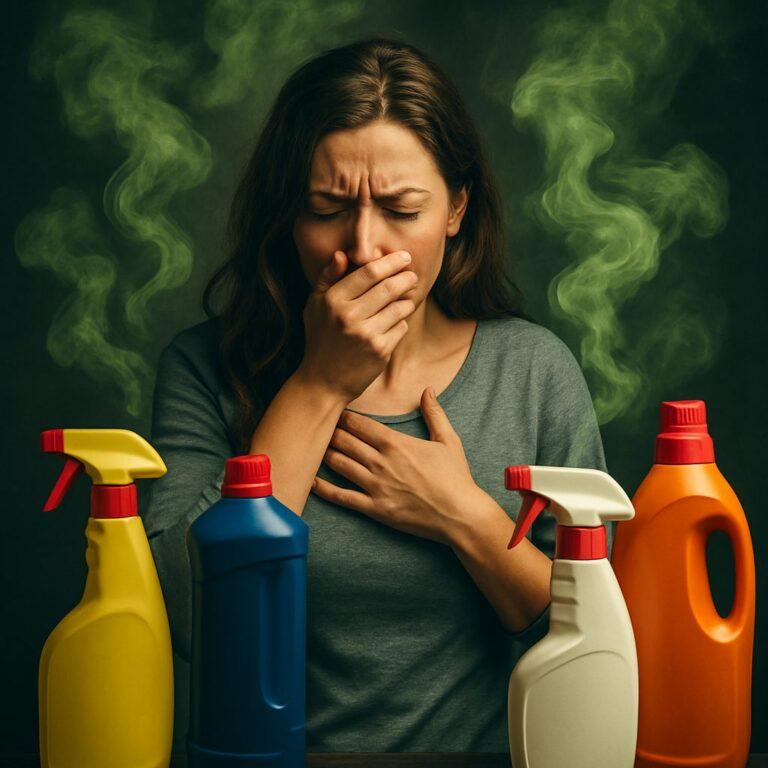
In practice, the unscented route is the baseline for sensitive skin. Fragrance is one of the most common irritants, and eliminating added scents reduces exposure to potential triggers. But the terms unscented, fragrance-free, and even fragrance masking can be confusing; it matters because a product labeled unscented may still carry odors from masking agents.
Understand the practical difference: unscented removes added scents but may still rely on masking odors, while fragrance-free contains no fragrance or essential oils at all. This distinction directly affects your daily routine—face cleansers and moisturizers labeled fragrance-free are typically safer bets for persistent irritation, whereas an unscented option can work when scent masking stays truly neutral and you tolerate the product well.
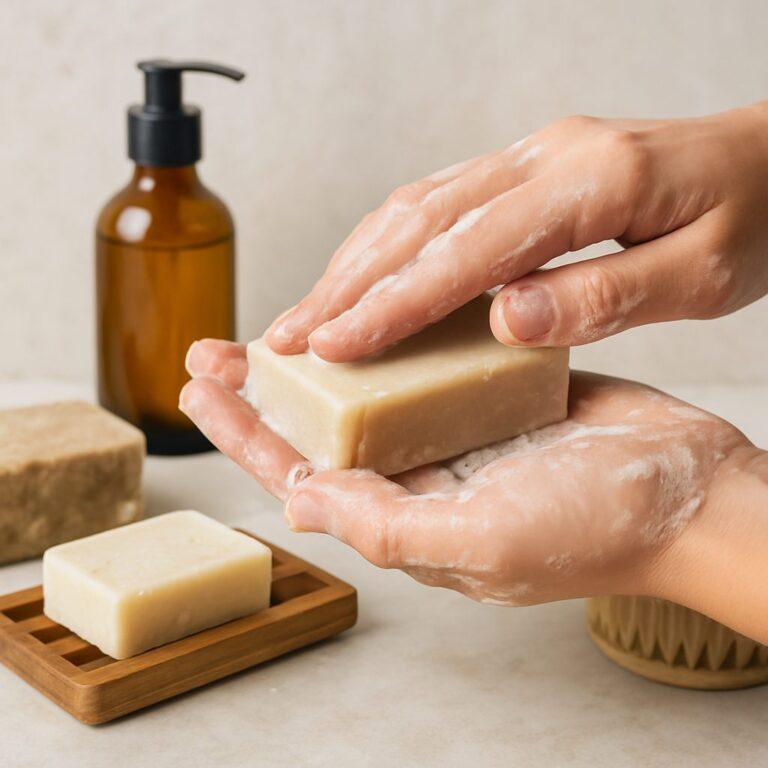
Within Bri's Bazaar, you’ll find Canadian options designed around low-irritant formulations. A leading option is The Unscented Co — the unscented co — known for fragrance-free products that align with sensitive-skin needs, alongside other Made-in-Canada lines that emphasize clean ingredients and transparent sourcing. This curation makes it easier to build a routine that minimizes fragrance while staying local.
- Check the label: look for fragrance-free or no fragrance, and beware of terms like unscented that may still use masking agents.
- Patch test before full use: behind the ear or inner forearm for 24–48 hours to catch reactions early.
- Introduce one product at a time: give each new item 1–2 full skin cycles before adding another.
- Prioritize core steps first: a fragrance-free cleanser and a fragrance-free moisturizer form a low-risk foundation.
Concrete example: a reader with dermatitis switched from a scented body wash to a fragrance-free option from The Unscented Co. Within two weeks, skin irritation diminished, and the routine no longer triggered redness after showers. The change was small, but the impact on daily comfort was real.
Key practical truth: when in doubt, choose fragrance-free over unscented, and verify by reading ingredients rather than trusting the label alone.
Takeaway: when sensitivity is a core concern, start with fragrance-free Canadian options, patch-test carefully, and introduce scented products only after you’ve proven tolerance over multiple skin cycles.
When Scented Products Might Be Acceptable for Some Sensitivities
Not all sensitivities are alike, and for some people a scented product with a deliberately controlled, mild aroma can be tolerable. The key is understanding what you’re trading off: exposure to fewer irritants versus the potential for delayed reactions if the scent contains a sensitizer. In practice, this means approaching scented options with the same discipline you apply to fragrance-free picks: patch-testing, category-by-category testing, and choosing formulations designed for sensitive skin. A small fragrance in a body cream can feel optional but still matters for the skin barrier if triggers creep in.
Labeling matters more than mood. A product that claims fragrance-free is safer than one that just says unscented, because unscented can still have masking fragrances. For some people, certain ingredients labeled as essential oils may be irritating even in tiny amounts. When you do choose a scented option, start with categories where scents are lighter and less likely to sit on the skin, like hair care or body washes, and avoid heavy fragrances in leave-on products. For context on fragrance sensitivity, see guidance from dermatology sources such as DermNet NZ.
- Look for explicit fragrance-free or no fragrance claims; treat unscented with caution as it may mask scents.
- Scan ingredient lists for essential oils or fragrance allergens such as limonene, linalool, or eugenol, and consider product category.
- Test in a low-risk context first: start with rinse-off products, then expand to leave-ons only after no reaction.
- Limit fragrance exposure from multiple products to reduce cumulative load.
Example: a mildly reactive scalp may tolerate Province Apothecary's Gentle Scalp Shampoo that delivers a very light aroma. After a 48-hour patch test on the inner forearm, introduce the product at weekly washes for two weeks. No redness or itching appears, and the scent supports a more regular washing routine without irritation.
Two practical realities surface here. First, fragrance can improve routine adherence, which matters when you otherwise skip essential cleansing or moisturizing. Second, you risk cumulative exposure if you layer scented products across hair, body, and skin care. The Canadian market now offers genuinely gentle options, but always verify ingredient lists and be prepared to revert to fragrance-free if irritation emerges. See Bri's Bazaar for curated Made-in-Canada low-fragrance options like Province Apothecary, and use the guidance here to evaluate each new pick.
Decoding Fragrance Labels on Canadian Skincare
In Canada, the label is your first line of defense against irritants. Fragrance ingredients are a common trigger for sensitive skin, and the way they’re listed can be misleading if you don’t know the terms. A product can be labeled unscented yet still carry masking scents, or it can rely on essential oils that irritate reactive skin. The practical move is to read the ingredients with a mindset of what matters for sensitivity, not what sounds reassuring on the front.
Key terms to know: fragrance and parfum denote added scent compounds; essential oils are concentrated plant extracts that may trigger irritation; fragrance-free means no fragrance or essential oils, while unscented can still contain masking fragrances. In practice, fragrance-free is the safer bet for most sensitive users. Bri's Bazaar readers should be especially wary of lists that mention masking fragrances or essential oils as they can slip under the radar.
Key terms at a glance
- Fragrance / parfum: added scent compounds, synthetic or natural; can irritate sensitive skin.
- Essential oils: concentrated oils such as lavender oil or lemon oil; may irritate reactive skin for some people.
- Fragrance-free vs unscented: fragrance-free means no fragrance or essential oils; unscented may still use masking fragrances to hide odors.
- No fragrance claim caveat: some products mask odors or use odor-neutralizing agents; always check the ingredient list for fragrance-related terms.
Concrete example: a label shows ingredients like Water, Glycerin, Parfum, Limonene, Linalool, Citral. Parfum indicates added fragrance; Limonene and Linalool are common fragrance components that can trigger irritation. If a product is truly fragrance-free, you will not see Parfum, Limonene, or Linalool in the list. An unscented label alone is not a guarantee.
On Bri's Bazaar, focus on fragrance-free options from The Unscented Co and other Made-in-Canada lines. The curation prioritizes safety and transparency while supporting local brands. For context on routine-building with Canadian products, see The Complete Guide to a Skin Care Routine for Oily Skin with Canadian Products and Sustainable Beauty: Eco-Friendly Products for the Conscious Consumer.
Patch testing protocol and practical steps matter: start with a fragrance-free version when available, test behind the ear for 24–48 hours, and introduce new products one at a time to monitor response. If you react, revert to fragrance-free options and reassess your tolerance before trying scented formulas again.
Takeaway: when evaluating Canadian skincare options on Bri's Bazaar, prioritize explicit fragrance-free labeling, verify ingredients for fragrance-related terms, and use a careful patch test before expanding into scented products.
Canadian Brand Spotlight: Bri's Bazaar Curation
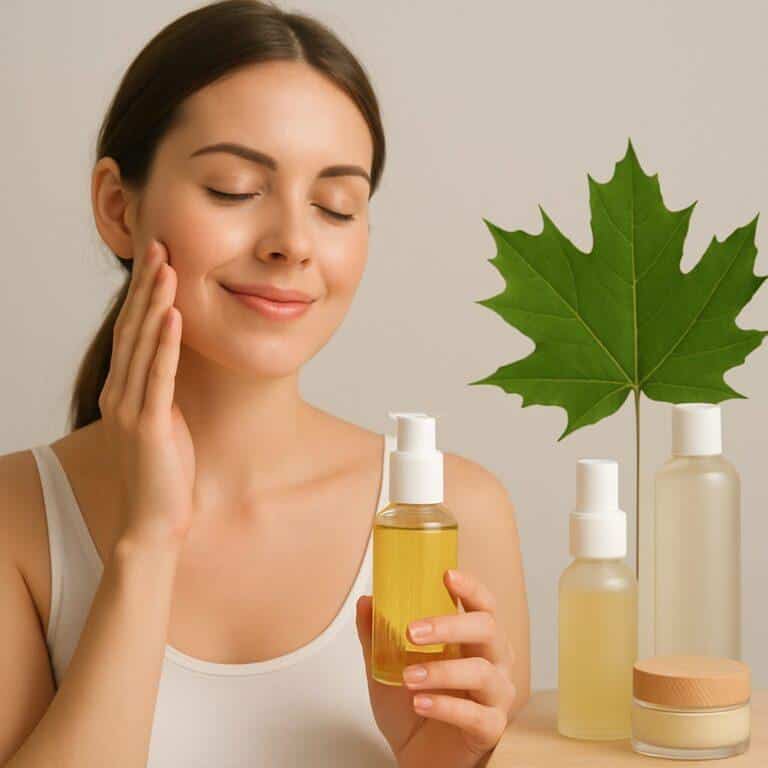
Bri's Bazaar's Canadian brand curation centers on fragrance-free options that actually work for reactive skin. The Unscented Co sits at the core of the lineup, backed by Province Apothecary and other Made-in-Canada lines that emphasize transparent sourcing, simple ingredients, and gentle formulas. The goal is to give you reliable, skin-friendly choices you can trust without navigating an ocean of vague claims.
Label literacy matters here. Bri's Bazaar doesn't rely on buzzwords; product pages reveal whether a formula is truly fragrance-free or just unscented, and they call out essential oils and masking scents that many shoppers miss. In practice, this means you can compare two lotions and notice one lists fragrance and the other lists no fragrance or only fragrance-free alternatives. For context on how label reading fits into a routine, see The Complete Guide to a Skin Care Routine for Oily Skin with Canadian Products.
- Use the fragrance filter on Bri's Bazaar to select fragrance-free or unscented options.
- Read the ingredient list for no fragrance, no essential oils, or no parfum; be wary of lists that include masking fragrances.
- Check the brand's origin notes; Bri's Bazaar highlights Made-in-Canada commitments and clear sourcing.
- Start small with a minimal routine item for patch testing, then add complementary products gradually.
- Look for fragrance-free lines from the core Canadian brands in the collection, such as The Unscented Co and Province Apothecary.
Real-world use-case: a shopper with dermatitis discovers Bri's Bazaar's fragrance-free moisturizers from The Unscented Co; after a 48-hour patch test behind the ear and a second test with Province Apothecary's fragrance-free facial cleanser, they observe no irritation over a week and feel confident to expand to a full routine.
The practical upshot: use Bri's Bazaar as your starting point for a phased transition to fragrance-free options that actually suit your skin. Prioritize transparent labeling, verify true fragrance-free claims, and lean on Made-in-Canada options to support local brands while keeping irritation risk low.
A Practical Decision Framework for Your Next Purchase
Effective fragrance decisions come down to a simple framework you can apply at the shelf or in your cart. This section delivers a practical four‑point checklist, a quick decision tree, a tested patch‑test protocol, and a gradual transition plan tailored to Bri's Bazaar's Made‑in‑Canada focus. If you want reliable outcomes for sensitive skin, start with fragrance‑free options and proceed deliberately. Within Bri's Bazaar's Made-in-Canada curation, The Unscented Co stands as a representative fragrance-free option.
Four-part checklist for your next purchase:
- Assess skin sensitivity: quantify history of reactions, current irritants, and how quickly your skin responds to fragrances. If you have any dermatitis history, default to fragrance-free options.
- Product category relevance: some categories amplify fragrance exposure (like cleansers and body lotions). Start fragrance-free in high-coverage products and test cautiously in cosmetics.
- Fragrance tolerance: decide whether your tolerance is null, mild, or moderate. If null, stay fragrance-free; if mild, consider low-fragrance formulations with clearly disclosed ingredients; if moderate, approach with small, tested quantities.
- Brand reliability and transparency: prefer brands that disclose ingredients plainly, offer fragrance-free lines, and have a local or Canadian origin; Made-in-Canada curation on Bri's Bazaar highlights fragrance-free options.
Decision tree: unscented or fragrance-free first, then scented only if tolerance allows.
- If you have a history of sensitivity, choose fragrance-free; verify the label clearly states no fragrance and no essential oils.
- In each category, start with an unscented option on Bri's Bazaar and use a gentle transition period (1–2 weeks) before trying any scented alternative.
- If you tolerate fragrance-free products well, consider a low‑intensity scent with a transparent ingredient list and a small patch test before full use.
- Keep a simple log of products, reactions, and dates to identify patterns and adjust your routine.
Patch testing protocol (quick-start):
- Choose a small amount and apply behind the ear or inner forearm.
- Do not wash off; leave product on for 24–48 hours and avoid other new products in that window.
- Check for redness, itching, swelling, or burning at 24 and 48 hours; if any reaction occurs, discontinue immediately.
- If no reaction, trial the product in a small area for 5–7 days, then expand to larger areas if tolerance holds.
Transition plan: methodical, not ceremonial.
- Swap in fragrance-free variants one by one rather than all at once.
- Give each new product a 2–4 week window to observe cumulative irritation or improvement.
- Keep Bri's Bazaar product pages handy for quick checks of origin and ingredient transparency.
- Use a careful pace and document any flare-ups to avoid repeating the same missteps.
Concrete example: A shopper with sensitive skin starts by using The Unscented Co moisturizing cream, then adds a fragrance-free cleanser from Bri's Bazaar after two weeks with no irritation. After a month, they test a mild scented body lotion from a Canadian brand, keeping the scent low and patch-testing a small area for another week before broad use.
Takeaway: A disciplined, staged approach to fragrance inputs protects sensitive skin while supporting local brands; start fragrance-free, test, and only escalate when your skin shows clear tolerance.
article blockquote,article ol li,article p,article ul li{font-family:inherit;font-size:18px}.featuredimage{height:300px;overflow:hidden;position:relative;margin-top:20px;margin-bottom:20px}.featuredimage img{width:100%;height:100%;top:50%;left:50%;object-fit:cover;position:absolute;transform:translate(-50%,-50%)}article p{line-height:30px}article ol li,article ul li{line-height:30px;margin-bottom:15px}article blockquote{border-left:4px solid #ccc;font-style:italic;background-color:#f8f9fa;padding:20px;border-radius:5px;margin:15px 10px}article div.info-box{background-color:#fff9db;padding:20px;border-radius:5px;margin:15px 0;border:1px solid #efe496}article table{margin:15px 0;padding:10px;border:1px solid #ccc}article div.info-box p{margin-bottom:0;margin-top:0}article span.highlight{background-color:#f8f9fb;padding:2px 5px;border-radius:5px}article div.info-box span.highlight{background:0 0!important;padding:0;border-radius:0}article img{max-width:100%;margin:20px 0}
Further reading
Leave a comment