Top Made-in-Canada Skin Care Products: A Curated Guide for Canadian Shoppers
When Canadian winters and sensitive skin collide, provenance and formulation make the difference. This guide rounds up the best skin care products Canada shoppers can buy and explains how to verify Made-in-Canada claims, compare standout ingredients, and choose formulas suited to cold, dry climates. We curated options across natural, clinical, value and luxury tiers and point you to Bri's Bazaar and brand pages so you can find price ranges, certifications, and buy with confidence.
Province Apothecary signature facial oil or serum
Province Apothecary's signature facial oil is Made in Canada — the brand lists manufacturing and formulation details on its product pages, which you can verify at Province Apothecary. This is a nourishing oil-forward formula designed to restore the lipid barrier in cold, dry conditions rather than a high-concentration clinical serum.
Ingredient snapshot
Key components: rosehip oil for linoleic and provitamin A, squalane for lightweight emollience, and jojoba to mimic skin sebum. Essential oils or botanical extracts may be present for scent and antioxidant support — important to flag if you have reactive skin.
- Texture and finish: lightweight oil that absorbs without heavy residue, suitable for layering under a cream.
- Ideal skin types: dry, normal, and mature skin seeking barrier repair; use cautiously if you are oily or acne-prone.
- Approx price range: typically in the $40–$80 CAD bracket depending on size and retailer; check Bri's Bazaar skin care or the brand page for exact SKUs and current prices.
Practical trade-off: oils are excellent at sealing moisture and repairing winter-depleted skin but are not a substitute for targeted actives like concentrated retinoids or vitamin C. If your priority is anti-aging actives, pair the oil with a separate serum rather than swapping one for the other.
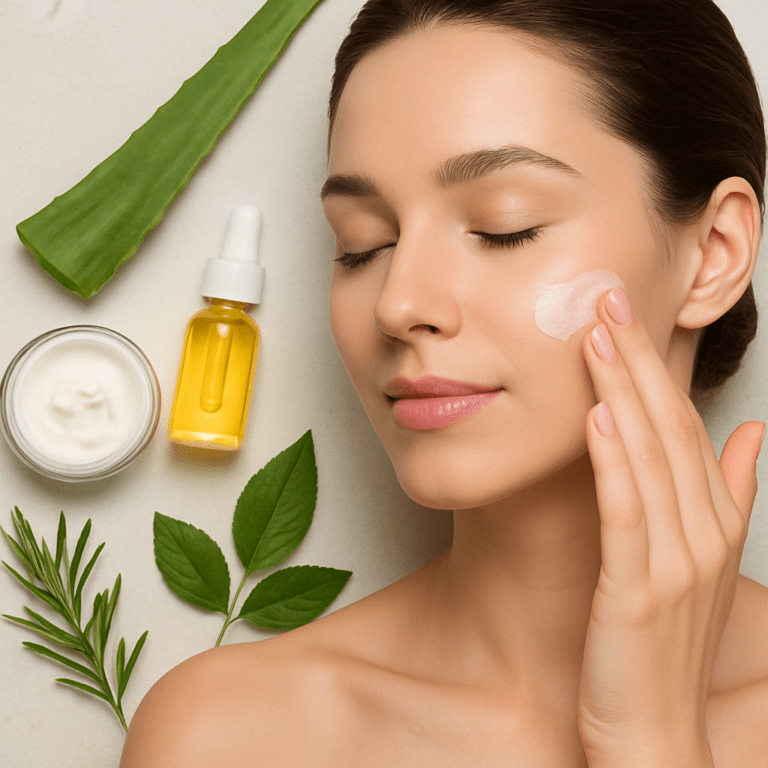
Concrete example: use 2 drops of the oil at night after a hydrating serum and before a cream to lock in moisture during a Canadian freeze. For spot repair, mix one drop with your moisturizer and apply to cheeks and nasal folds; that approach keeps the eye area lighter while giving cheeks an occlusive boost.
Real-world limitation: facial oils can pill when layered over silicone-heavy moisturizers or if applied too generously; test compatibility with your current cream and give each layer 30 seconds to settle. Also, oils with botanicals can irritate fragrance-sensitive users — do a patch test on your jawline for 48 hours.
If you want barrier repair for winter without a prescription-strength product, a Made-in-Canada facial oil from Province Apothecary is a practical, locally produced choice — but it should be used as part of a routine, not a standalone cure-all.
Frequently Asked Questions
Direct answer first: most buying friction for skin care products Canada comes from provenance and suitability, not price. If you know how to verify origin, read a label for trigger ingredients, and interpret a handful of reliable reviews, you cut the guessing substantially.
Practical checks every time you shop
- Confirm manufacture, not just HQ: look for a product level statement that the item is made or manufactured in Canada on the SKU page — brand headquarters alone is not proof.
- Scan the ingredient panel: mark any essential oils, fragrance, or high strength acids if you have sensitivity; natural does not equal non‑irritating.
- Cross‑check reviews: prioritize patterns over individual praise; consistent mentions of texture, scent, or reactions matter more than a handful of 5-star blurbs.
- Regulatory quick check: consult the Health Canada cosmetics overview to understand what claims are regulated and what to expect from labels (Health Canada cosmetics).
Trade-off to accept: certifications like COSMOS or Ecologo are useful signals but they are not the only measure of quality. Smaller Canadian brands often invest in formulation transparency and third-party lab testing instead of expensive certifications — that can be an acceptable substitute when the product page links to test data or detailed ingredient sourcing.
Concrete example: you find a small-batch balm marketed for winter hands. On the product page it lists Manufacturing: Ontario, Ingredient panel, and an independent microbial test PDF link. Call the brand or use the contact form to confirm batch origin. If they supply that confirmation and the ingredient list lacks common irritants, the product is a reasonable buy even without an organic seal.
Real-world limitation: buyer reviews for Canadian niche makers are often sparse. Treat small sample sizes as anecdotal — lean on formulation details and your own risk controls (patch test, trial size) rather than a lone glowing testimonial.
On clinical vs natural choices: choose clinical formulas for targeted concerns when you want active concentrations and documented outcomes; choose Canadian natural lines when barrier support, gentler botanicals, and sustainable packaging are your priority. Expect to pay more for clinical validation and distribution through practitioners.
If you want a faster route to vetted options, browse curated Canadian collections on Bri's Bazaar — they aggregate provenance, price ranges, and where to buy so you can short-circuit manual verification (Bri's Bazaar skin care).
Next steps you can implement right now: check the SKU page for manufacturing language, open the ingredient list and highlight potential problem entries, do a patch test on your jawline for 48 hours, and if in doubt contact the brand for batch origin. Those four actions remove most uncertainty when buying Made-in-Canada skin care.
article blockquote,article ol li,article p,article ul li{font-family:inherit;font-size:18px}.featuredimage{height:300px;overflow:hidden;position:relative;margin-top:20px;margin-bottom:20px}.featuredimage img{width:100%;height:100%;top:50%;left:50%;object-fit:cover;position:absolute;transform:translate(-50%,-50%)}article p{line-height:30px}article ol li,article ul li{line-height:30px;margin-bottom:15px}article blockquote{border-left:4px solid #ccc;font-style:italic;background-color:#f8f9fa;padding:20px;border-radius:5px;margin:15px 10px}article div.info-box{background-color:#fff9db;padding:20px;border-radius:5px;margin:15px 0;border:1px solid #efe496}article table{margin:15px 0;padding:10px;border:1px solid #ccc}article div.info-box p{margin-bottom:0;margin-top:0}article span.highlight{background-color:#f8f9fb;padding:2px 5px;border-radius:5px}article div.info-box span.highlight{background:0 0!important;padding:0;border-radius:0}article img{max-width:100%;margin:20px 0}
Further reading