Homemade Coffee Scrub: Natural Exfoliation with Made-in-Canada Products
Homemade Coffee Scrub: Natural Exfoliation with Made-in-Canada Products
Article Overview
Article Type: How-To Guide
Primary Goal: Teach readers how to make safe, effective homemade coffee scrubs using Made-in-Canada ingredients, how to choose the right products, and how to use, store, and source scrubs responsibly.
Who is the reader: Conscious shoppers and DIY skincare makers in Canada who visit Bri’s Bazaar to discover and buy Made-in-Canada ingredients and products; typically adults aged 25 to 55, interested in natural beauty, small-batch Canadian brands, and sustainable choices; they are exploring homemade skincare and deciding whether to make a scrub themselves or purchase a curated product.
What they know: They know basic skincare routines and the concept of exfoliation, and may have used store-bought scrubs. They do not necessarily know which coffee grounds are safe for facial versus body use, how to source Canadian-made carrier oils and essential oils, or the exact recipe ratios and storage best practices. They want clear recipes, safety rules, and product recommendations from Canadian brands.
What are their challenges: They want an effective exfoliant that is gentle on skin, sourced from Canadian suppliers, and environmentally responsible. They are concerned about abrasive damage, allergic reactions, mold growth in homemade products, and finding trustworthy Made-in-Canada ingredient sources. They also want guidance on adapting scrubs for skin type and on integrating scrubs into a routine without damaging the skin barrier.
Why the brand is credible on the topic: Bri’s Bazaar curates high-quality Made-in-Canada products across beauty, skincare, wellness, and cleaning categories and acts as an affiliate storefront that highlights Canadian brands vetted for quality and provenance. The store focuses on local sourcing, product provenance, and practical guidance for using small-batch and artisan products, which positions it as a helpful bridge between consumers and Canadian makers for DIY and ready-made skincare.
Tone of voice: Informative and approachable with a clear emphasis on Canadian provenance and authenticity. The voice should feel knowledgeable but friendly, inclusive, and practical. Use concise, actionable instructions, call out specific Canadian brands by name, and avoid hype or promotional sales language. Maintain a community-minded tone that encourages supporting local makers and sustainable practices.
Sources:
- Health Canada Cosmetics and Personal Care Products regulations and guidance https://www.canada.ca/en/health-canada/services/consumer-product-safety/cosmetics.html
- Canadian Dermatology Association patient resources on exfoliation and skin care https://dermatology.ca/patient-resources
- American Academy of Dermatology guidance on physical exfoliation and frequency https://www.aad.org/public/everyday-care/skin-care-basics/dry/physical-exfoliation
- NCBI PubMed study on antioxidant and bioactive compounds in coffee grounds https://pubmed.ncbi.nlm.nih.gov/25639136/
- Government of Canada guidance on composting and organic waste handling https://www.canada.ca/en/environment-climate-change/services/managing-reducing-waste/composting.html
Key findings:
- Used coffee grounds provide mechanical exfoliation and contain antioxidants and small amounts of caffeine, which can temporarily increase microcirculation but are not a clinical treatment for cellulite or scarring.
- Abrasion depends on grind size and roast type; very coarse grounds can damage delicate skin especially on the face, so grind selection matters.
- Water-free oil scrubs have a lower microbial risk than scrubs mixed with water; if water is added, a preservative or single use recommendation is necessary to avoid contamination.
- Patch testing is essential because carrier oils and essential oils can cause allergic reactions; frequency of exfoliation should be limited to 1 to 3 times per week depending on skin type.
- Composting used coffee grounds is environmentally preferable to rinsing grounds down drains and supports local waste reduction efforts.
Key points:
- Provide at least one clear, tested base recipe with exact measurements and step by step preparation instructions for both body and gentle face versions.
- Recommend specific Made-in-Canada brands for coffee grounds, carrier oils, essential oils, and packaging and include Bri’s Bazaar as a curated sourcing option.
- Explain safety, frequency, and skin type adaptations including patch test steps and cautions for sensitive or acne-prone skin.
- Include practical storage, shelf life, and contamination prevention guidance and sustainable disposal options such as composting.
- Offer 3 variations for common needs: dry skin, acne-prone or sensitive skin, and circulation/stubborn-cellulite targeting.
Anything to avoid:
- Do not make medical claims about treating conditions such as cellulite, eczema, or acne with coffee scrubs.
- Do not advise using coarse coffee grounds on the face or on broken, irritated, or inflamed skin.
- Do not include unverified or proprietary formulations that would require professional testing or regulatory approval.
- Do not use vague brand references; always name specific, verifiable Canadian brands and products.
- Do not provide instructions that encourage leaving water in jars or reusing contaminated tools without cleaning.
External links:
- https://www.canada.ca/en/health-canada/services/consumer-product-safety/cosmetics.html
- https://dermatology.ca/patient-resources
- https://pubmed.ncbi.nlm.nih.gov/25639136/
- https://www.aad.org/public/everyday-care/skin-care-basics/dry/physical-exfoliation
- https://www.canada.ca/en/environment-climate-change/services/managing-reducing-waste/composting.html
Internal links:
- 12 Best Cocktail Recipes at Home – Bri’s Bazaar – Your Source for Made-in-Canada Products.
- The 5 Best Essential Oils to Have – Bri’s Bazaar – Your Source for Made-in-Canada Products.
- The 5 Best Essential Oils to Have – Bri’s Bazaar – Your Source for Made-in-Canada Products.
- Marcelle Anti-Wrinkle Cream 40+ | Day & Night – Bri’s Bazaar – Your Source for Made-in-Canada Products.
- Marcelle Anti-Wrinkle Cream 40+ | Day & Night – Bri’s Bazaar – Your Source for Made-in-Canada Products.
Content Brief
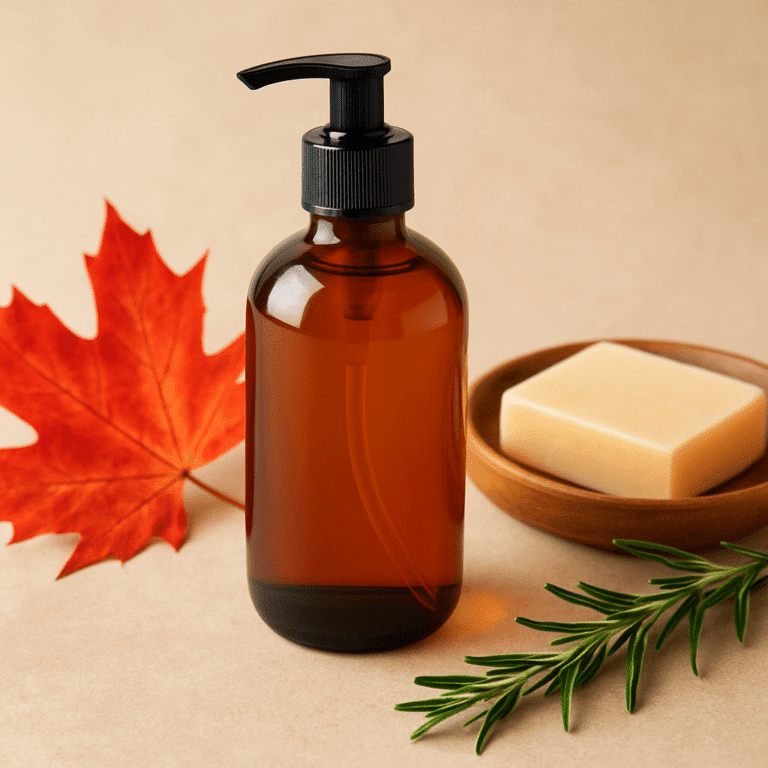
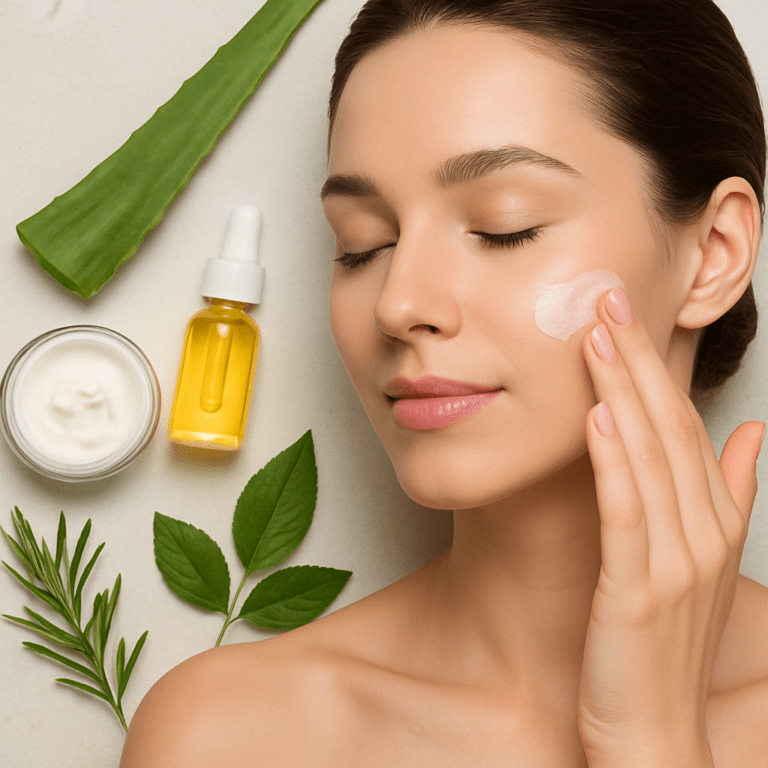
This How-To Guide shows readers how to make safe, effective homemade coffee scrubs using Made-in-Canada ingredients and where to source them. Emphasize a practical, evidence-informed approach: include one tested main recipe with exact weights/volumes, a gentle face variant, and three focused variations for dry, sensitive, and circulation-targeted needs. Call out specific Canadian brands for each ingredient category and link to Bris Bazaar where readers can find curated options. Prioritize safety: include patch test instructions, frequency recommendations, storage and shelf life guidelines, and composting advice for used grounds. Keep tone warm, community oriented, and concise. Use short bullets and recipe callouts, include estimated preparation and shelf life times, and include 2 to 3 images suggestions: finished scrub in glass jar, texture close-up, and ingredient flat lay with Canadian brand labels visible. Use the primary keyword homemade coffee scrub naturally throughout the headings and body, and include related keywords such as Canadian coffee grounds, cold pressed carrier oils Canada, and sustainable skincare.
Why use coffee as a natural exfoliant
- Explain mechanical exfoliation and how coffee grounds work compared with sugar and salt, using bullet points for pros and cons.
- Summarize research-based benefits of coffee grounds such as antioxidant content and mild circulation effects; cite NCBI PubMed study and Canadian dermatology guidance.
- Quick callout on when to avoid coffee scrubs: active infection, open wounds, severe acne, rosacea flare, or recent chemical peels.
Core homemade coffee scrub recipe for body
- Provide a single clear recipe with exact measurements by weight and volume: 1 cup used or finely ground coffee grounds (approximately 80 to 100 g), 1/2 cup carrier oil (125 mL) such as sweet almond or jojoba, 1/4 cup fine cane sugar (optional for extra slip), 10 drops essential oil optional; yield and jar size recommendation.
- Step by step preparation: drying used grounds, mixing order, sanitizing workspace and jars, transfer to airtight glass jar, labeling with date.
- Application instructions: recommended frequency 1 to 2 times per week for most skin types, massage technique, rinse instructions, follow up moisturizer recommendation.
Gentle face version and why grind size matters
- Offer face recipe with smaller amounts and gentler abrasives: 1 tablespoon finely sifted coffee grounds, 1 teaspoon jojoba oil, 1/2 teaspoon honey or aloe vera gel as alternative; clear instruction to use only very fine grounds or use instant coffee for a gentler texture.
- Explain risks of coarse grounds on facial skin and how to test texture at home by rubbing between fingers.
- Patch test steps and wait times: apply small amount behind ear or inner forearm, wait 24 hours, look for redness or itchiness.
Made-in-Canada ingredient sourcing and recommended brands
- List Canadian coffee roasters appropriate for scrubs with short notes: 49th Parallel Coffee Roasters (Vancouver) for medium roasts, Pilot Coffee Roasters (Toronto) for freshly roasted whole beans that can be ground to preferred size, Kicking Horse Coffee (Rocky Mountain, British Columbia) for available blends and used grounds options in some cafes.
- List Canadian suppliers for oils and essential oils: Rocky Mountain Soap Company (carrier oils and cosmetic butters), Saje Natural Wellness (single origin essential oils such as peppermint and eucalyptus), Bathorium or Wildcraft for complementary aftercare products and moisturizers.
- Include Bris Bazaar as curated source: indicate where readers can find a selection of Made-in-Canada ingredients and finished scrubs on Bris Bazaar and suggest linking to the site collections listed in internal links.
Three variations: dry skin, sensitive skin, and circulation-targeted
- Dry skin variation: increase carrier oil ratio, use fractionated coconut oil or shea butter from Rocky Mountain Soap Company; recipe and application frequency.
- Sensitive or acne-prone variation: use fewer abrasives, opt for instant coffee or very finely ground beans, include chamomile-infused oil or aloe vera and avoid essential oils that are sensitizing.
- Circulation-targeted variation: add caffeine-rich brewed coffee infusion and 5 to 8 drops of peppermint or rosemary essential oil for cooling sensation; explain realistic expectations and cite that improvements are temporary.
Safety, frequency, allergens, and regulatory considerations
- Clear rules on frequency by skin type: sensitive 1x week, normal 1-2x week, oily up to 3x week with caution; avoid scrubbing face more than twice weekly.
- Allergen checklist: nut oil allergy warnings, essential oil sensitization, how to choose nut-free carrier oils like jojoba or grapeseed.
- Microbial safety: recommend water-free formulations for multiuse jars, refrigeration is not necessary if dry and oil-only, advise single-use packets for water-containing recipes or adding a broad-spectrum cosmetic preservative with clear caution to follow manufacturer dosage and regulations; reference Health Canada cosmetics guidance.
Storage, shelf life, packaging, and sustainability
- Shelf life guidance: oil-only scrubs 2 to 6 months depending on oil stability; signs of rancidity; how to extend shelf life with dark glass jars and cool storage.
- Packaging advice: use wide-mouth glass jars with tight lids, include label copy examples with make date, ingredients, and batch number; recommend recyclable or reusable options.
- Sustainability and disposal: how to compost used coffee grounds according to Government of Canada guidance, avoid rinsing grounds down household drains, and how using local roasters reduces carbon footprint.
How to integrate the scrub into a skincare routine and aftercare
- Step-by-step routine for shower use: warm water, steam for 1 to 3 minutes, apply scrub, rinse, pat dry, apply moisturizer from Canadian brands like Wildcraft or Rocky Mountain Soap Company.
- Timing and sequencing with other treatments: do not use immediately before chemical peels or after retinoid use; wait at least 48 to 72 hours after professional procedures.
- Advice on matching moisturizers and serums for best results and which ingredients to avoid pairing immediately after exfoliation such as potent actives that increase irritation.
Frequently Asked Questions
Can I use coffee grounds I brewed for my morning coffee in a scrub
Yes. Used coffee grounds can be repurposed for scrubs once they are fully cooled and dried to reduce microbial growth; spread them on a baking sheet to air dry for 24 to 48 hours before mixing.
How often can I use a homemade coffee scrub on my face and body
For the face use a gentle version no more than once per week for sensitive skin and up to twice per week for normal or oily skin; for the body 1 to 3 times per week depending on abrasiveness and skin tolerance.
Are there skin types that should avoid coffee scrubs entirely
People with active rosacea, open wounds, infected acne, or recent professional chemical peels should avoid mechanical scrubs until cleared by a dermatologist.
What is the best grind size for a coffee scrub
Choose a fine to medium grind for body scrubs and very fine or instant coffee for facial scrubs; avoid coarse espresso grinds on delicate skin.
How should I store homemade coffee scrub to prevent mold or rancidity
Store oil-only scrubs in clean, dry glass jars in a cool dark place, label with the make date, and discard if you detect off smells or visible mold; do not introduce water or used wet fingers into the jar.
Can I compost the coffee grounds after using them as a scrub
Yes. Rinsed and used coffee grounds are compostable and enrich garden soil; remove excess oil prior to composting if possible and follow local composting guidelines.
article blockquote,article ol li,article p,article ul li{font-family:inherit;font-size:18px}.featuredimage{height:300px;overflow:hidden;position:relative;margin-top:20px;margin-bottom:20px}.featuredimage img{width:100%;height:100%;top:50%;left:50%;object-fit:cover;position:absolute;transform:translate(-50%,-50%)}article p{line-height:30px}article ol li,article ul li{line-height:30px;margin-bottom:15px}article blockquote{border-left:4px solid #ccc;font-style:italic;background-color:#f8f9fa;padding:20px;border-radius:5px;margin:15px 10px}article div.info-box{background-color:#fff9db;padding:20px;border-radius:5px;margin:15px 0;border:1px solid #efe496}article table{margin:15px 0;padding:10px;border:1px solid #ccc}article div.info-box p{margin-bottom:0;margin-top:0}article span.highlight{background-color:#f8f9fb;padding:2px 5px;border-radius:5px}article div.info-box span.highlight{background:0 0!important;padding:0;border-radius:0}article img{max-width:100%;margin:20px 0}
Further reading